Regional shopping mall
1.2M-square-foot regional mall with 8 anchor stores. Park Graph handles centre-level non-shopper billing; each anchor manages its own validation rules.
Regional mall
Vertical solution
Retail centre parking that monetises non-shopper occupancy without alienating customers. Retail centres face a unique parking problem: customers should park free; non-shoppers (commuters, downtown workers, event-goers using the lot) should pay. Distinguishing them without alienating customers is the job of the software. Five issues showed up in every retail-centre conversation.
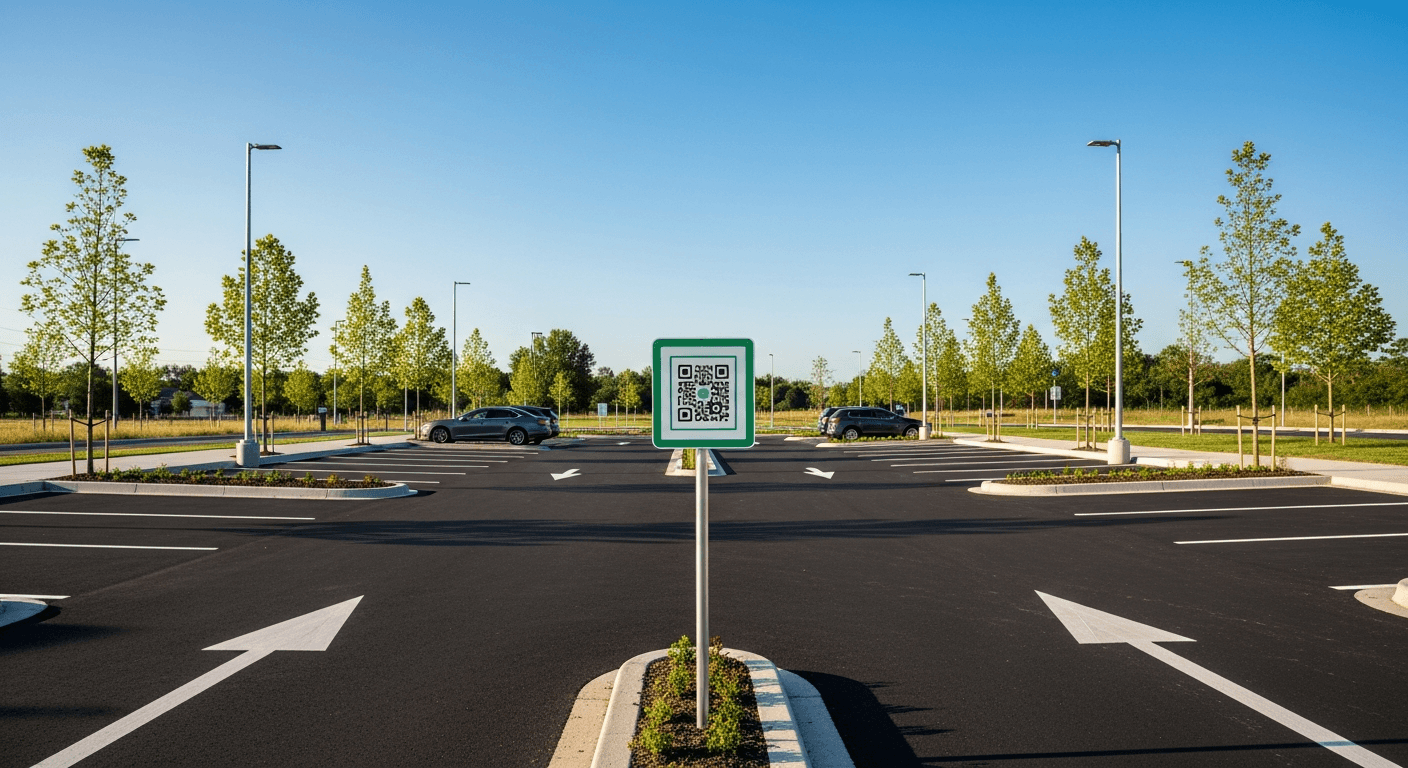
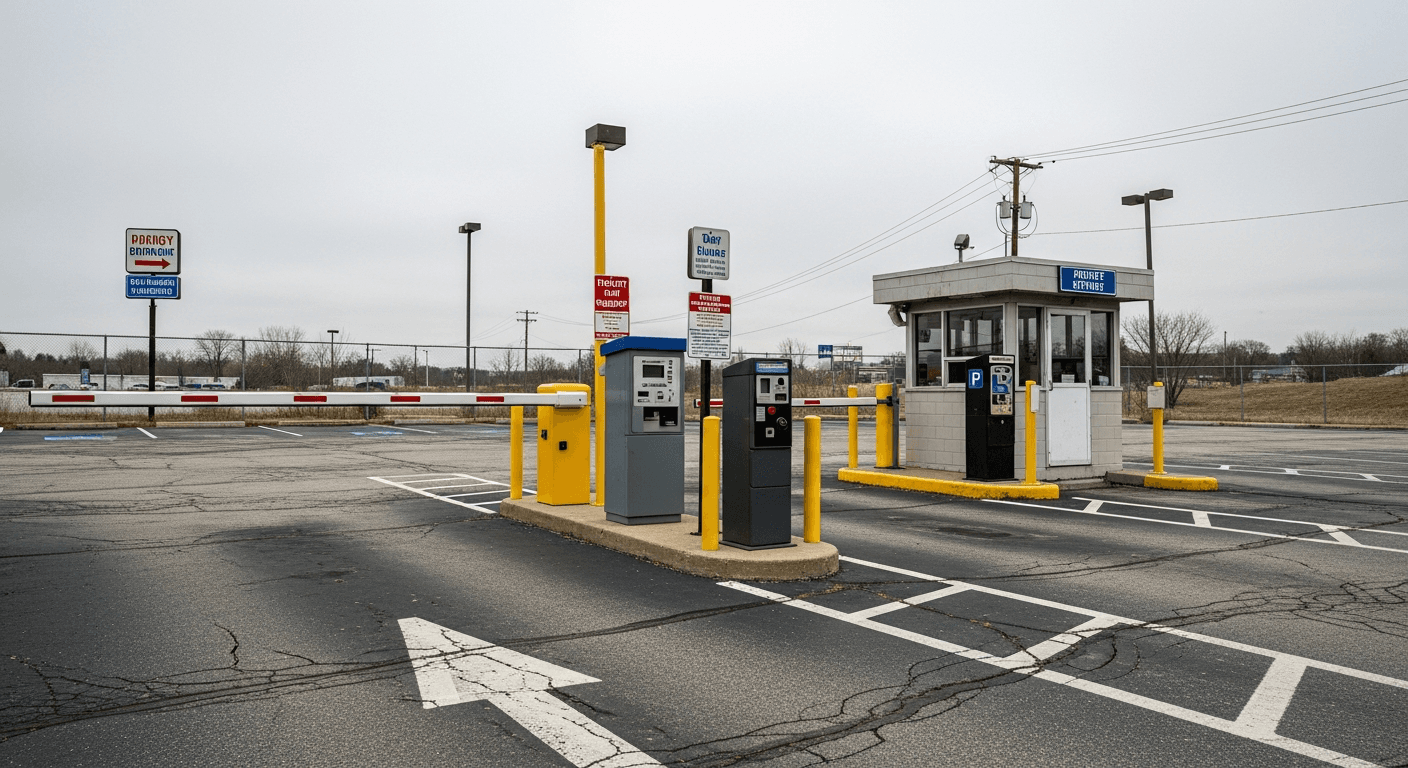
Retail centre parking is a brand-experience problem disguised as a parking problem. The centre owner wants to monetise non-shopper occupancy without making shoppers feel they're being charged. The anchor tenants want validation to be invisible. The brand experience needs to feel premium.
Park Graph handles all three by making validation the default flow and pricing the exception. Customers scan, validate via the cashier or POS, never see a price. Non-shoppers scan, fail to validate, see the hourly rate. The signage explains the flow without making the lot feel like a paid-parking lot.
We work with regional shopping malls, outlet centres, lifestyle centres, big-box anchored strips, grocery-anchored neighbourhood centres, and mixed-use destination centres. Each has slightly different validation rules; Park Graph supports per-anchor configuration on the same platform.
| Pain today | What it costs you | How Park Graph fixes it |
|---|---|---|
| Non-shoppers use the lot as free downtown parking | Customers can't find a space at peak shopping hours | Receipt-based validation. Customers comp via Park Graph; non-shoppers pay the hourly rate. |
| Existing validation systems require a paper ticket and a 4-digit code at the register | Cashier slowdown, ticket-stub fraud | QR-based validation. Cashier scans the customer's session QR; comp is automatic. |
| Outlet centres and lifestyle centres don't want any pricing visible to customers | Brand experience damage | Validation-first flow. Customers never see a price; non-shoppers do. |
| Big-box anchors negotiate parking validation separately from the centre | Multi-anchor centres have inconsistent customer experience | Each anchor manages its own validation rules on the same Park Graph platform. |
| Grocery centres have constant churn; signage feels permanent | Hardware vendors don't refresh signage as often as needed | Park Graph signage is print-on-demand. Refresh in days, not months. |
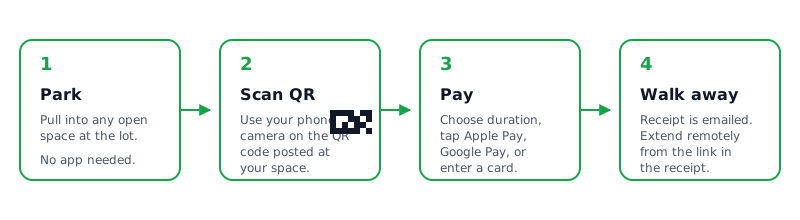
A shopper arrives at a regional mall at noon. They park, scan the QR sign at the elevator, and the Park Graph mobile site asks them to enter their phone number (one-time, takes 5 seconds). The session is active; no payment is requested up front.
They shop at three anchor stores. At each register, they show their session QR (or the cashier scans their phone screen). Each validation comps a portion of the day; together they more than cover the full visit. They leave the lot 4 hours later having paid nothing.
Meanwhile a downtown commuter parks in the same lot at 7am. They scan, but they have no plan to shop; they leave at 5pm having validated nothing. Park Graph charges them $2/hour for the 10-hour stay; the centre owner sees the new revenue line in the dashboard.
Each anchor configures its own validation rules (purchase threshold, time limit, etc.). Stored centrally; managed per anchor.
Non-shopper hourly rate kicks in only when the customer fails to validate. Most centres run $2-$5/hour for non-shoppers.
Optional: integrate with anchor POS (Stripe, Square, NCR, Toast, Aloha) to auto-validate at receipt completion.
Lot-entrance signage explains the validation flow. Print-on-demand QR signs.
30-minute training on the QR-scan validation flow at the register. Most centres train via a screencast video.
Run the new flow on one anchor for 60 days before scaling to the rest of the centre.
Most retail center parking deployments are live within a day. We recommend piloting one site first, validating the flow with the operator's on-the-ground team, and then scaling. Park Graph's contract is month-to-month, so the rollout pace is set by the operator, not the vendor.
1.2M-square-foot regional mall with 8 anchor stores. Park Graph handles centre-level non-shopper billing; each anchor manages its own validation rules.
Regional mall
Outlet centre with 120 stores. Park Graph keeps pricing invisible to shoppers; only non-shoppers see a price. Brand-experience-friendly.
Outlet centre
Open-air lifestyle centre with restaurants and retail. Park Graph runs different rates for evening dining (free for restaurant patrons) vs. daytime shopping.
Lifestyle centre
Strip centre anchored by Target, Costco, or similar. Big-box patrons get free parking with receipt validation; non-shoppers billed.
Big-box anchor
Grocery-anchored centre with constant turn. Park Graph handles per-trip validation via the grocery POS integration.
Grocery anchor
Mixed-use centre with retail, residential, and office. Park Graph differentiates traffic and posts charges to the right cost centre.
Mixed-use destination
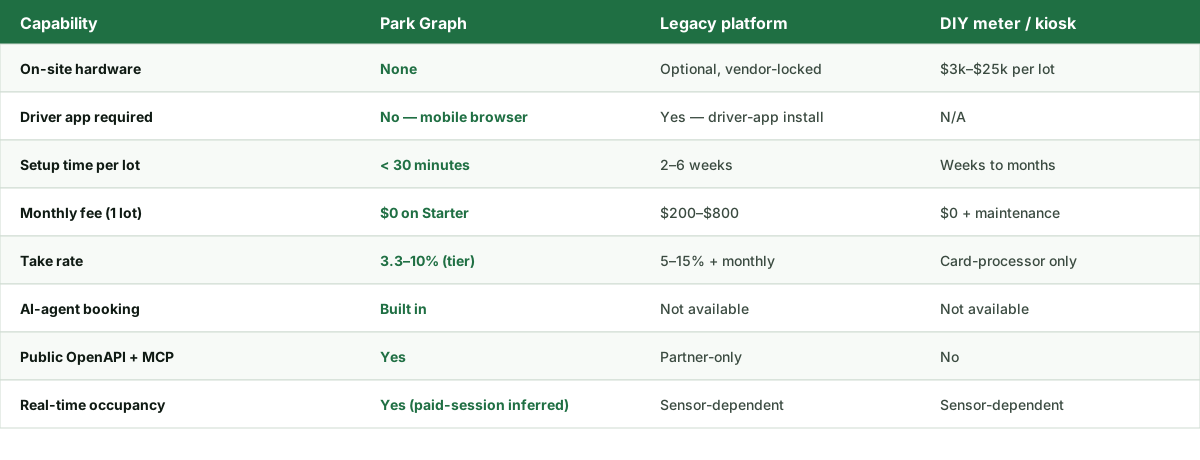
| Capability | Park Graph | Legacy parking platform | DIY / hardware-based |
|---|---|---|---|
| Receipt-based validation | QR scan, auto-comp | Paper ticket + 4-digit code | Paper only |
| Per-anchor validation rules | Native, per-anchor | Centre-wide only | Manual |
| Non-shopper pricing | Native, time-based | Custom | Not available |
| POS integration | Stripe, Square, NCR, Toast, Aloha | Custom | Not available |
| AI agent visibility | Yes (configurable) | Not available | Not available |
| Take rate | 3.3-10% (tier-dependent) | 8-15% + monthly | Card-processor fees only |
| Setup time per centre | <1 day | 4-12 weeks | Months |
| Print-on-demand signage | Days | Months | Manual |
The legacy column generalises the experience of working with a vertical-specific legacy vendor. Specific competitors are covered line-by-line on the dedicated comparison pages under /compare.
The map below shows the metro markets and corridors Park Graph is targeting for retail centre parking growth in 2026 and beyond. Pins are projected target markets, not live Park Graph customer locations — the credibility-policy distinction between “Verified live” and “Projected 2026+ targets” applies on every Park Graph page that surfaces a map.
Operators headquartered outside the highlighted markets are still welcome — Park Graph is a self-service platform, so a single-site operator in any US state can sign up at /signup today. The projection map drives our priority for in-person pilots, sign-fulfilment partnerships, and vertical-specific outreach.
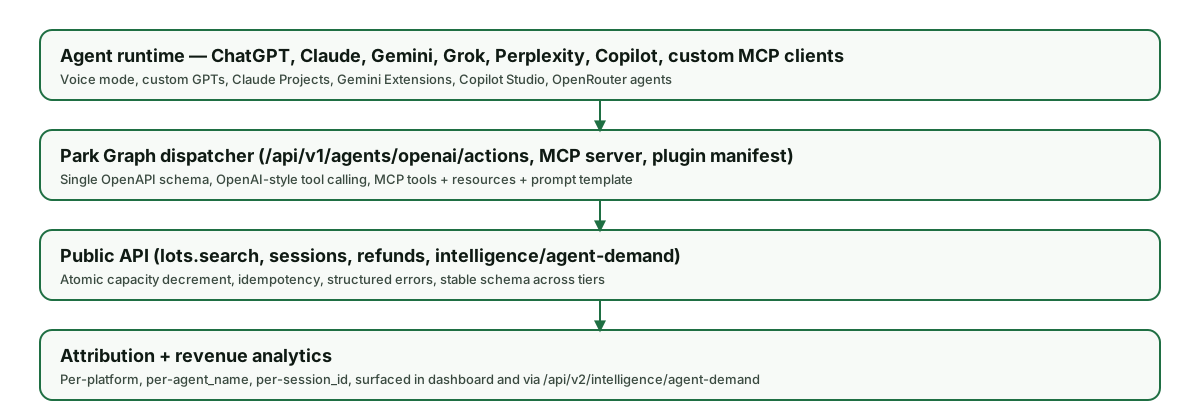
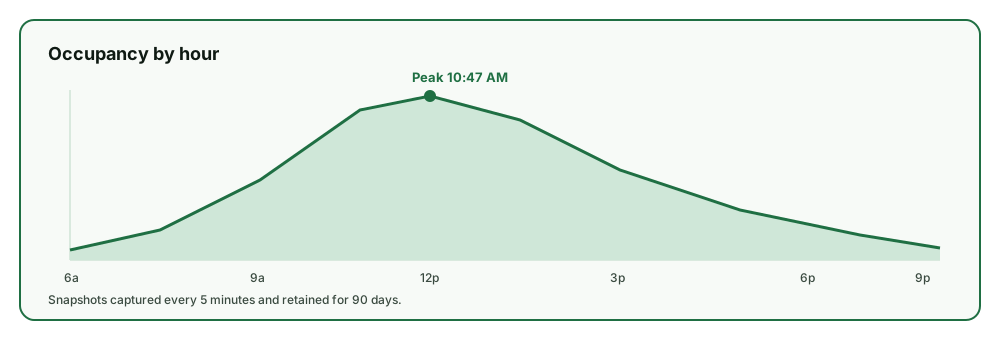
Retail-centre AI search is increasingly common — "can I park free at the mall on Saturday". Park Graph publishes the validation flow and pricing rules to ChatGPT, Perplexity, Gemini, Grok, and Microsoft Copilot so shoppers get accurate pre-arrival information and don't worry about a charge.
The integration is opt-in per centre. Some centres prefer to keep parking flow opaque to AI agents (to manage non-shopper monetisation); others prefer to expose the validation flow (to reassure shoppers).
Shopper: 'Do I need to validate parking?'
Park Graph: 'Yes — show your session QR at the cashier; they scan to comp. 4 hours free with any purchase. Reply HELP for cashier instructions.'
Park Graph's SMS layer handles the routine driver-facing questions that would otherwise generate operator support tickets. The exchange above is a real example from the retail center parking vertical; AI handles roughly 90% of these conversations end-to-end with no human escalation.
Why retail center parking operators switch
Lot monetises non-shopper occupancy
QR scan vs. paper-ticket lookup
Of gross at Enterprise rate
Numbers are typical first-year deltas reported by Park Graph operators in this vertical relative to their previous platform.
The economics behind Park Graph in this vertical are simple to model. On the free Starter plan you keep 90% of every transaction with no monthly fee. On Pro at $499/month you keep 95% of every transaction. On Enterprise you keep 96.7%. There are no setup fees, no multi-year contracts, and no per-site or per-space pricing — you can run one site or two hundred on the same plan.
The calculator below estimates monthly take-home revenue across Starter, Pro, and Enterprise plans for any site size, hourly rate, occupancy, and operating-hour configuration you choose. Numbers update live as you adjust the inputs.
0%
Take-home rate (Enterprise)
0 day
Typical site setup
$0
Hardware required
0
AI agent platforms supported
Projected targets reflect 2026+ planning and internal pilot modeling — not live customer outcomes.
See how much you could earn with Park Graph.
Projected monthly revenue
$86,400
Starter
Platform cost
$8,640/mo
Your net revenue
$77,760/mo
Pro
Best valuePlatform cost
$4,819/mo
Your net revenue
$81,581/mo
Enterprise
Platform cost
$5,350/mo
Your net revenue
$81,050/mo
PCI DSS Level 1
Card data tokenized by Stripe; Park Graph never sees raw card numbers.
Aligned with SOC 2 controls
Audit window opens Q3 2026. Annual reports available under NDA on request.
Encrypted at rest + in transit
AES-256 at rest, TLS 1.3 in transit, KMS-managed keys.
Vertical-specific data handling
Customer phone numbers collected for session identification are scoped per centre operator account and not shared with anchors. Receipt validation flow does not transmit customer purchase data; the cashier comps the session without sending purchase details to Park Graph.
Free forever on Starter. No credit card to begin. Cancel any time.
Pricing, event surge curves, and on-site context for retail center parking vary by metro. The pages below are the city-specific playbooks — same Park Graph platform, tuned to the local rate baseline and demand calendar.
The installation
No gate to wire. No meter to bolt down. No technician to schedule. Watch an owner take a lot live in four steps — the last one is a real code, mounted on a real post.
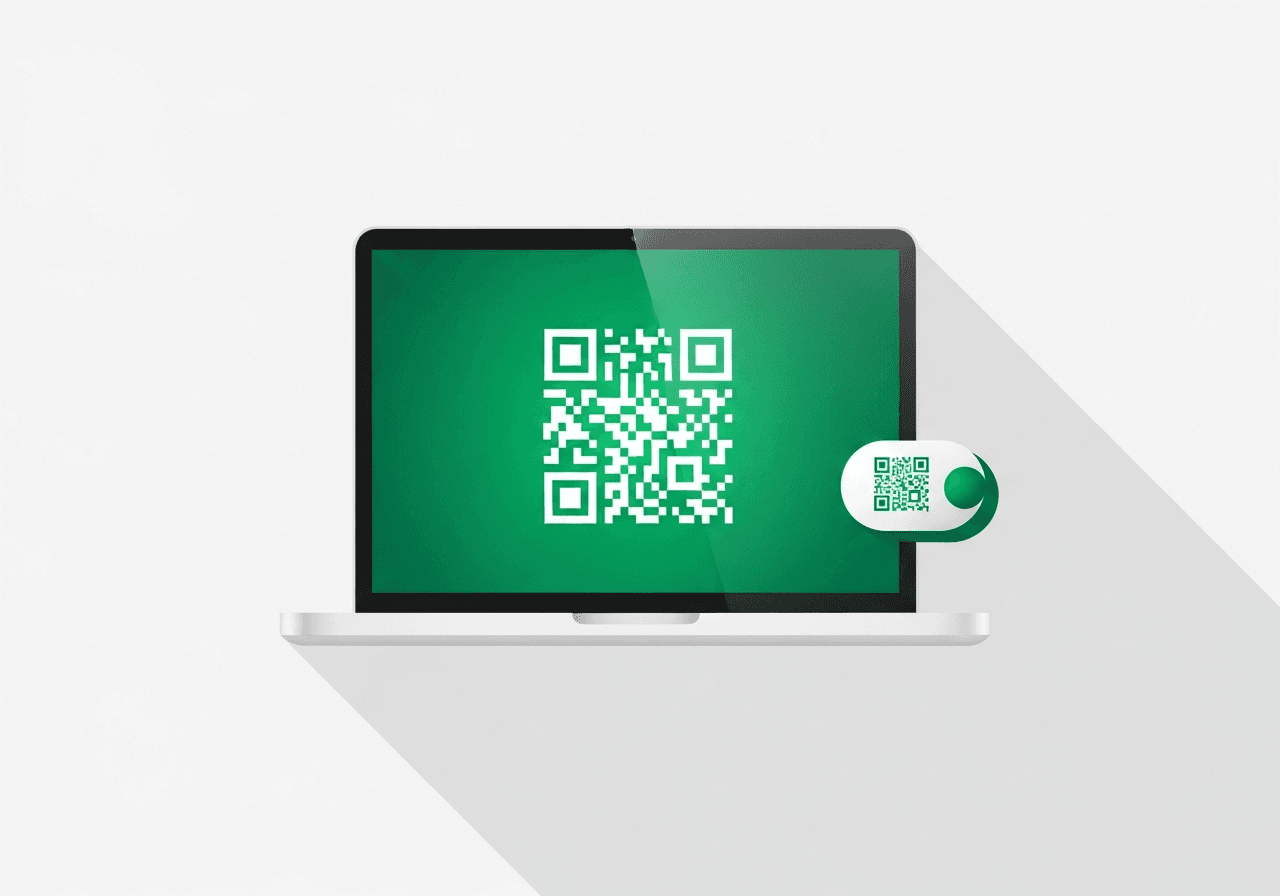 1
1Enter your lot name, spaces, and rate. Park Graph mints a branded QR code that links straight to your payment page.
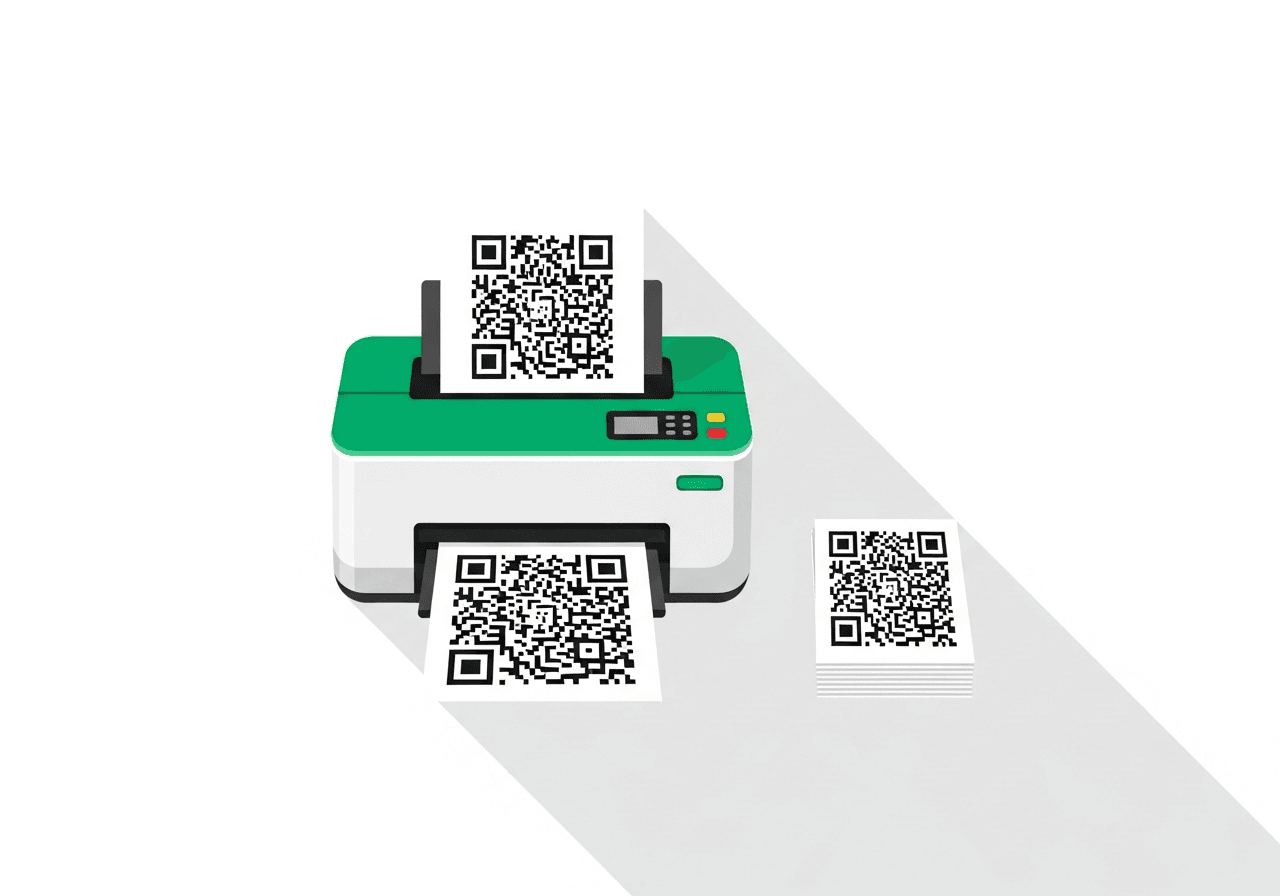 2
2Send it to any standard printer. Laminate the sheet for weather protection — that is your entire hardware bill.
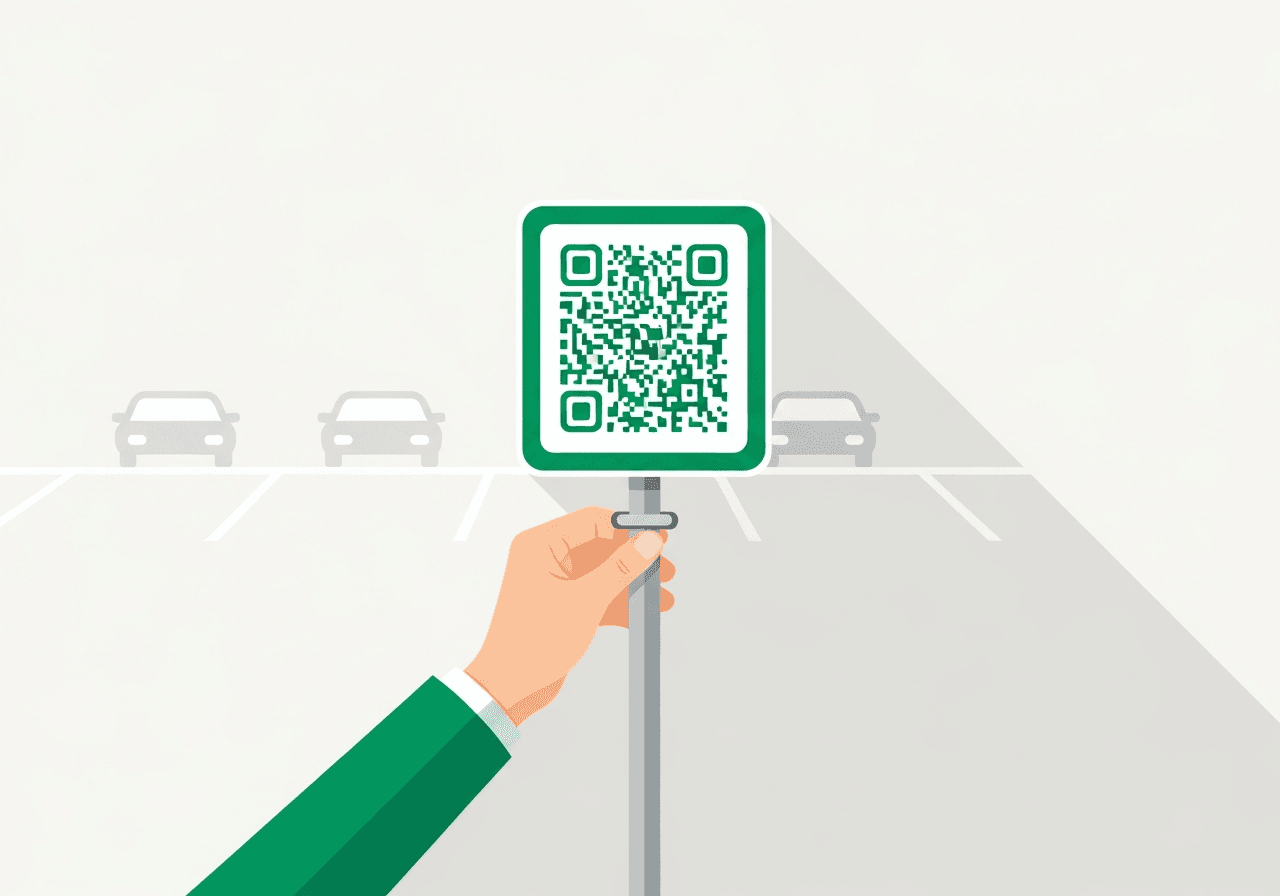 3
3Mount it on a post at the entrance and any major pedestrian path. No gates, no wiring, no installer visit.
 4
4Drivers scan and pay; revenue lands in your dashboard in real time and in your bank within two business days.