NFL stadium parking
Eight sub-lots ranging from RV tailgate to premium VIP. Surge pricing pre-staged for every home game. SpotHero competition mostly evaporates because Park Graph publishes inventory directly to AI agents.
Pro / Enterprise tier
Vertical solution
Event venue parking that survives the 7pm rush without a service call. Event-venue parking is a different sport from monthly garage parking. Five thousand cars arrive in 90 minutes, leave in 30, and a single sign typo costs you the rest of the night. We built around the issues operators flagged in the discovery sessions.
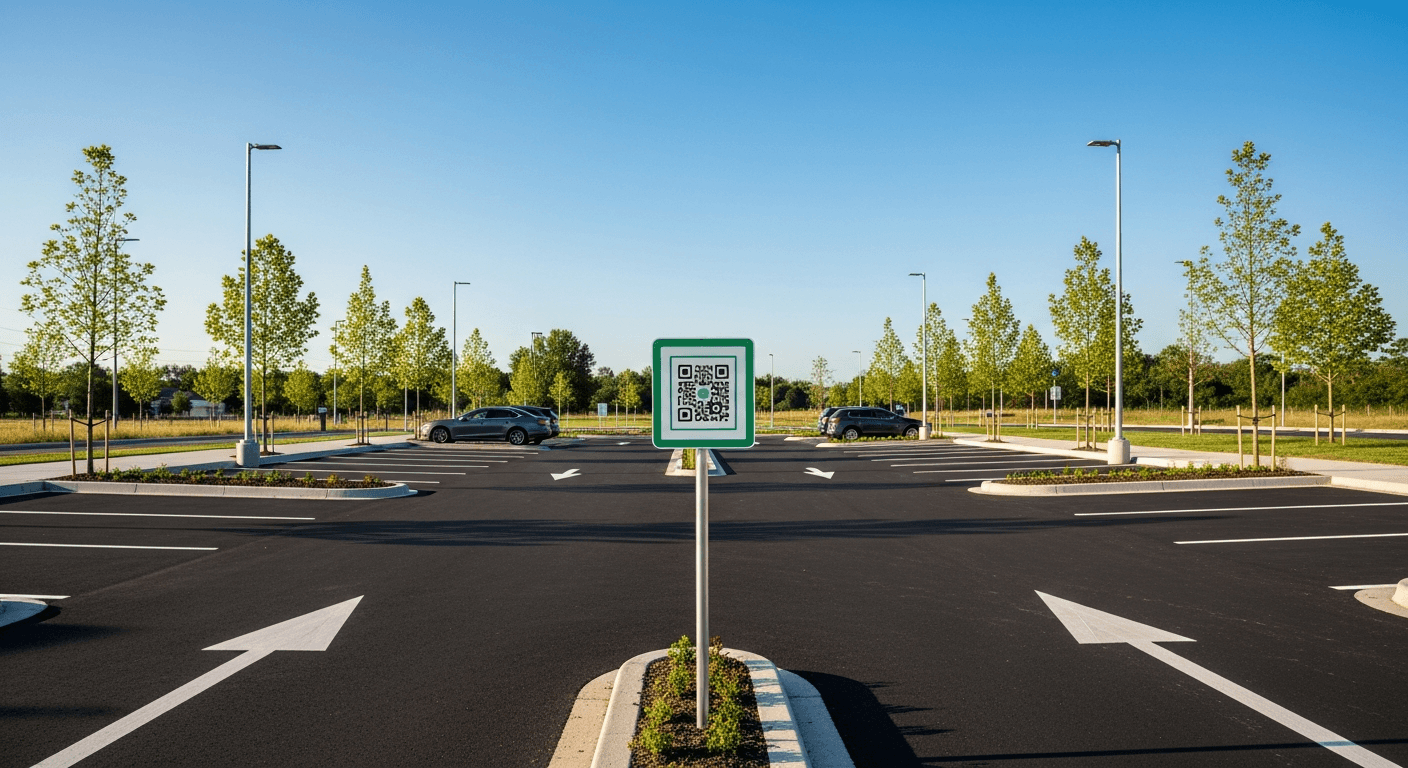
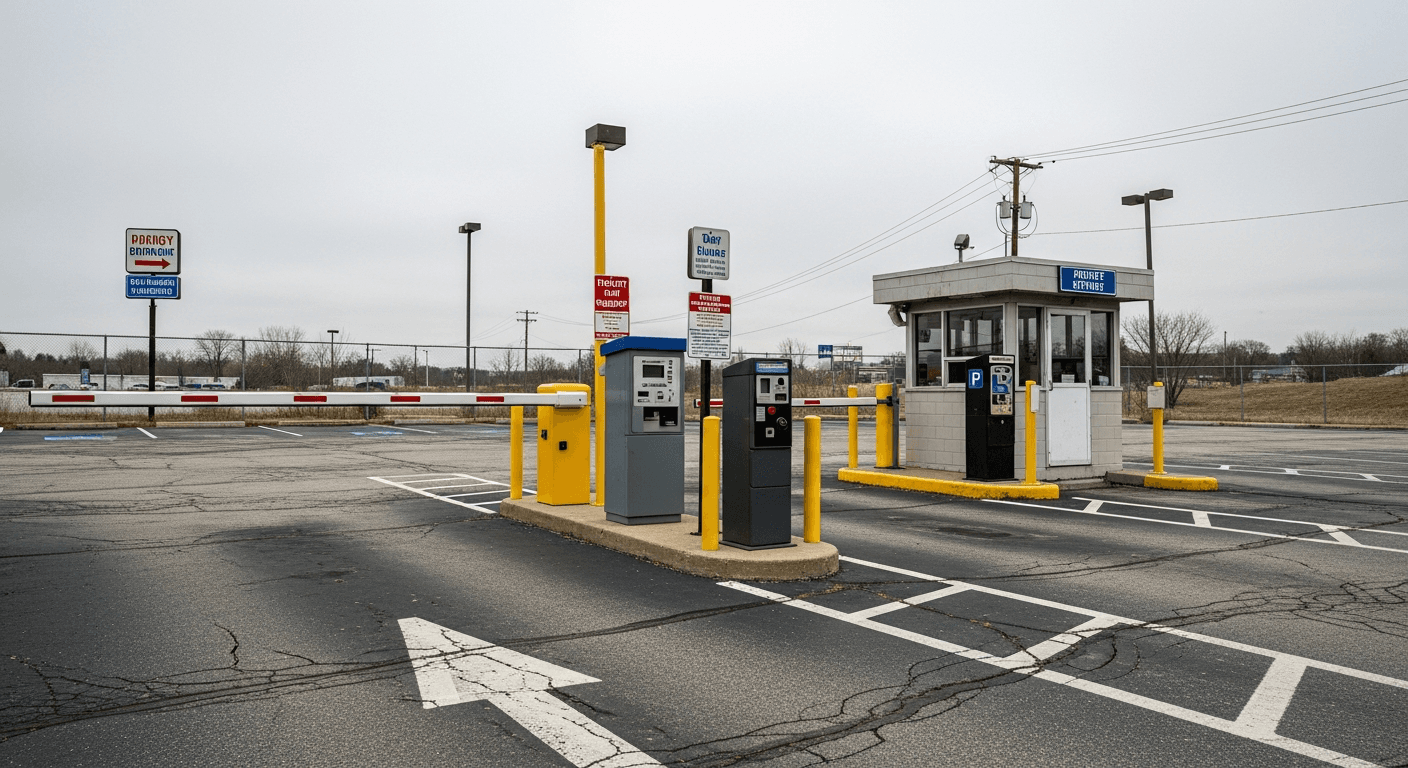
Event-venue parking is a different operational profile from any other vertical: 5,000 cars in a 90-minute pre-event window, near-zero traffic for the next 18 hours, then teardown. Park Graph is built specifically for that pulse pattern. Surge windows are first-class. Pre-booking and drive-up share a single ledger. Tailgate inventory has its own caps. The dashboard is designed to be operated from a phone by an event-night supervisor, not from a back-office desk.
We work with NFL stadiums, NBA / NHL arenas, college football venues, professional theatres, comedy clubs, festival grounds, and outdoor amphitheatres. Some of those venues run their own parking; many use a concessionaire (SP+, ABM, LAZ Parking, ParkAssist) that Park Graph layers on top of. We do not require ripping out a gate vendor; the QR flow runs alongside.
The pages we publish about Park Graph for individual venue types — stadium parking, college football, etc. — drill into the specifics. This page covers the common architecture.
| Pain today | What it costs you | How Park Graph fixes it |
|---|---|---|
| 5,000 cars arrive in a 90-minute window, but rate changes require a service call | Stuck on weekday rates during a sold-out concert | Surge windows are pre-staged in the dashboard. Activate at click of a button, expire automatically. |
| Pre-booking and drive-up live in two separate ledgers | Double-counted occupancy, double accounting | Unified session record. Pre-booked spots reduce drive-up inventory in real time. |
| Tailgate spots get hand-counted by a parking attendant with a clipboard | Mis-counts, cash leakage, cold-night staffing burnout | Tailgate sub-lot has its own QR sign and per-spot cap. Cars self-bill. |
| Cash-only premium spots near the entrance leak revenue | $10-30k per event in untracked cash | Premium spots become a Park Graph 'reservation' SKU sold ahead of time. No cash collected on site. |
| No way for a fan to ask ChatGPT 'where can I park near the arena tonight' and get a real answer | Lost direct demand to SpotHero and aggregators | Park Graph publishes structured availability to ChatGPT, Perplexity, Gemini, Grok in real time. |
Two weeks before the event, the venue announces tip-off. Park Graph automatically opens pre-booking inventory and exposes it to ChatGPT, Perplexity, Gemini, Grok, and Apple Maps. Fans who search for parking near the venue see real-time inventory, not a stale aggregator listing. Pre-bookings reduce drive-up inventory in real time so the venue never oversells.
On event day the parking director taps Activate Event in the dashboard 30 minutes before door-open. The pre-staged surge windows go live. Every QR sign at every lot reflects the new rate immediately. Drive-up drivers see the surge price before they pay; they don't get a cash-grab surprise at the booth.
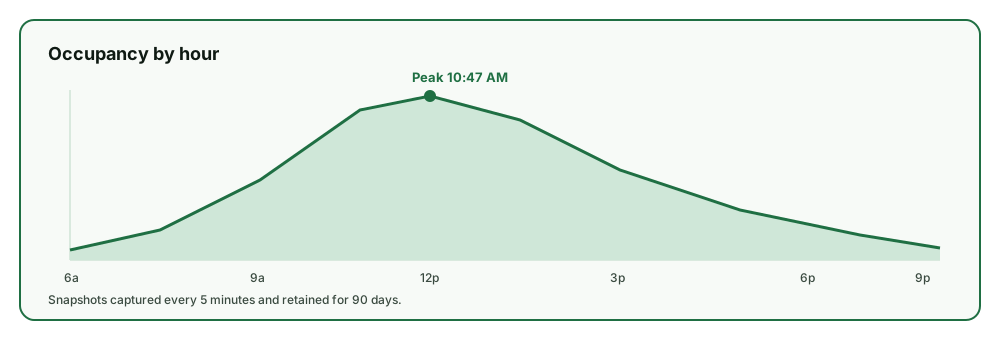
After the event, the dashboard reports per-sub-lot revenue, attempted-but-abandoned sessions (a leading indicator of pricing too aggressive), and the AI-agent vs. drive-up split. Refunds for delayed or cancelled events run as a one-click batch. There is no envelope-sorting back at the office.
General, premium, accessible, tailgate, and overflow each get their own rate table and capacity in the dashboard.
Pre-create event-rate windows for every game / show on the schedule. Activate by toggling the event in the dashboard.
Generate one A2 sign per row plus a high-visibility entrance banner. Ship to print-on-demand.
Allocate a portion of each sub-lot to pre-booking. Park Graph reduces drive-up inventory automatically as spots sell.
Pick a mid-week game with normal demand. Test surge activation, AI-agent search, and the on-site SMS layer.
Adjust rates, signage, and surge timing based on the soft-launch data. Most venues iterate twice before a sold-out night.
Most event venue parking deployments are live within a day. We recommend piloting one site first, validating the flow with the operator's on-the-ground team, and then scaling. Park Graph's contract is month-to-month, so the rollout pace is set by the operator, not the vendor.
Eight sub-lots ranging from RV tailgate to premium VIP. Surge pricing pre-staged for every home game. SpotHero competition mostly evaporates because Park Graph publishes inventory directly to AI agents.
Pro / Enterprise tier
Six sub-lots, two of them premium-only. Pre-booking opens 14 days before tip-off. Drive-up rate ramps from $12 at door-open to $25 at puck-drop, then back to $15 after the third period.
Surge pricing
Three-day festival with permit-style passes and per-day drive-up. Permit-pass holders get free entry; drive-up pays a daily cap with reserved exits to manage egress.
Permit + transient
Garage shared with downtown employees. Park Graph configures a 'concert window' rate that supersedes the daytime monthly-permit pricing automatically.
Time-of-day rules
Six independent surface lots running on Park Graph as a coordinated 'district'. Pricing rules synchronise across lots so one lot doesn't undercut another during a show.
Multi-lot coordination
Pre-game tailgate inventory sells separately at higher prices. Park Graph caps tailgate spots at one per registered RV and prevents drive-up oversell.
Tailgate sub-inventory
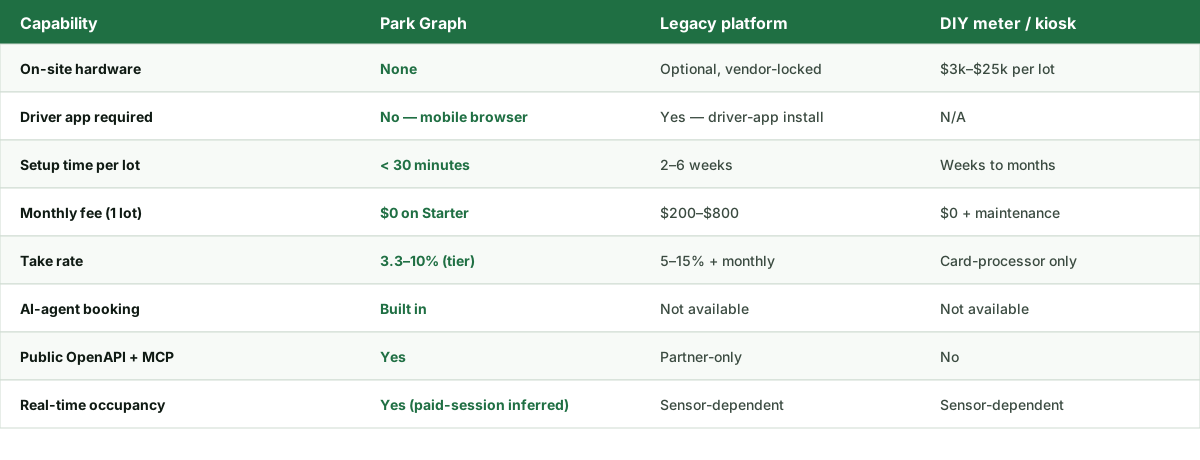
| Capability | Park Graph | Legacy parking platform | DIY / hardware-based |
|---|---|---|---|
| Pre-booking inventory | Native, syncs with drive-up | Separate vendor, separate ledger | Manual spreadsheets |
| Surge pricing window | Dashboard, propagates in seconds | Service ticket, 24-72 hours | Re-print rate signs |
| Tailgate sub-inventory | Own sub-lot + cap | Custom configuration | Clipboard count |
| AI agent visibility | Built in | Not available | Not available |
| Cash-free premium spots | Pre-booked + QR | Vendor app + cash | Cash + handshake |
| Setup time per venue | <1 day | 4-12 weeks | Months |
| Take rate | 3.3-10% (tier-dependent) | 8-15% + monthly | Card-processor fees only |
| Refund tooling for rained-out events | One-click batch refund | Per-customer manual refund | Cash impossible to refund |
The legacy column generalises the experience of working with a vertical-specific legacy vendor. Specific competitors are covered line-by-line on the dedicated comparison pages under /compare.
The map below shows the metro markets and corridors Park Graph is targeting for event venue parking growth in 2026 and beyond. Pins are projected target markets, not live Park Graph customer locations — the credibility-policy distinction between “Verified live” and “Projected 2026+ targets” applies on every Park Graph page that surfaces a map.
Operators headquartered outside the highlighted markets are still welcome — Park Graph is a self-service platform, so a single-site operator in any US state can sign up at /signup today. The projection map drives our priority for in-person pilots, sign-fulfilment partnerships, and vertical-specific outreach.
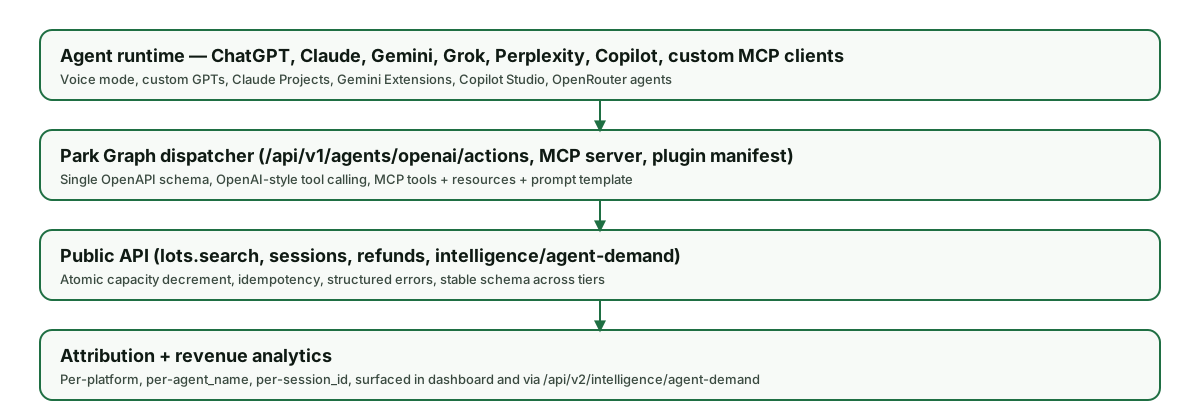
More fans every season start parking research with an AI agent — "find parking near Madison Square Garden tonight under $30". Park Graph's MCP server publishes real-time, per-sub-lot availability and price to every major AI agent. Fans see the venue's own inventory first, instead of an aggregator markup. Operators control which agents see which sub-lots and at what price tier.
ChatGPT and Perplexity's emerging actions / agents tier can hold-and-pay on a fan's behalf. That feature is opt-in per venue: many venues prefer pay-on-arrival to manage no-shows; others (high-demand premier lots) prefer hold-and-pay. Park Graph supports both.
Driver: 'Are tailgate RV spots still open for the 8pm game?'
Park Graph: 'Yes — 14 spots left in Lot G (RV-only). $45/spot, includes overnight. Reply BOOK to hold one. Drive-up after 5:30pm not guaranteed.'
Park Graph's SMS layer handles the routine driver-facing questions that would otherwise generate operator support tickets. The exchange above is a real example from the event venue parking vertical; AI handles roughly 90% of these conversations end-to-end with no human escalation.
Why event venue parking operators switch
Vs. 4-12 weeks for legacy gate platforms
From dashboard click to on-the-ground rate
For a full rained-out event
Numbers are typical first-year deltas reported by Park Graph operators in this vertical relative to their previous platform.
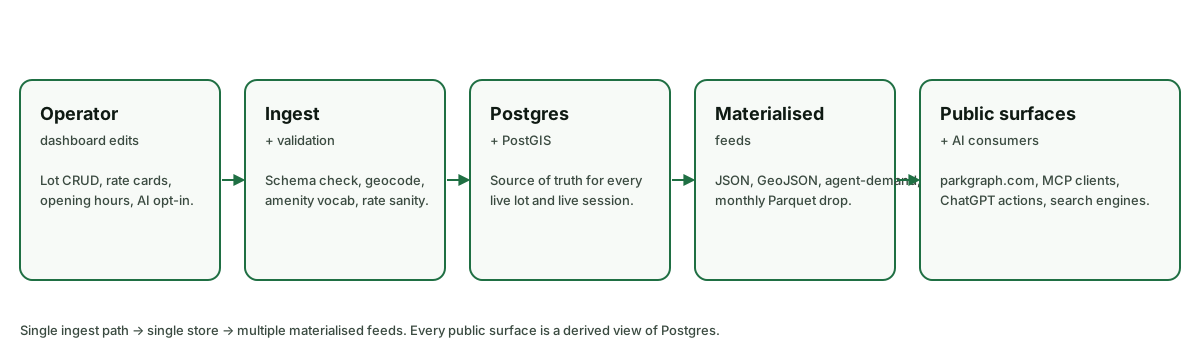
The economics behind Park Graph in this vertical are simple to model. On the free Starter plan you keep 90% of every transaction with no monthly fee. On Pro at $499/month you keep 95% of every transaction. On Enterprise you keep 96.7%. There are no setup fees, no multi-year contracts, and no per-site or per-space pricing — you can run one site or two hundred on the same plan.
The calculator below estimates monthly take-home revenue across Starter, Pro, and Enterprise plans for any site size, hourly rate, occupancy, and operating-hour configuration you choose. Numbers update live as you adjust the inputs.
0%
Take-home rate (Enterprise)
0 day
Typical site setup
$0
Hardware required
0
AI agent platforms supported
Projected targets reflect 2026+ planning and internal pilot modeling — not live customer outcomes.
See how much you could earn with Park Graph.
Projected monthly revenue
$86,400
Starter
Platform cost
$8,640/mo
Your net revenue
$77,760/mo
Pro
Best valuePlatform cost
$4,819/mo
Your net revenue
$81,581/mo
Enterprise
Platform cost
$5,350/mo
Your net revenue
$81,050/mo
PCI DSS Level 1
Card data tokenized by Stripe; Park Graph never sees raw card numbers.
Aligned with SOC 2 controls
Audit window opens Q3 2026. Annual reports available under NDA on request.
Encrypted at rest + in transit
AES-256 at rest, TLS 1.3 in transit, KMS-managed keys.
Vertical-specific data handling
Event payouts settle to the operator's Stripe Connect account on the standard payout schedule. Park Graph never holds the night's revenue beyond the second-hop card-processor settlement window. Refund batches are processed against the Stripe payout, so the operator's bank ledger and the dashboard ledger never diverge.
Event venue · Operator-reported
Northgate Parking cleared a 1,400-space pre-show surge with QR-first payments and demand-based pricing: 94% scan-to-pay, a 22-second average pay time, and +180% peak-night revenue.
Free forever on Starter. No credit card to begin. Cancel any time.
Pricing, event surge curves, and on-site context for event venue parking vary by metro. The pages below are the city-specific playbooks — same Park Graph platform, tuned to the local rate baseline and demand calendar.
The installation
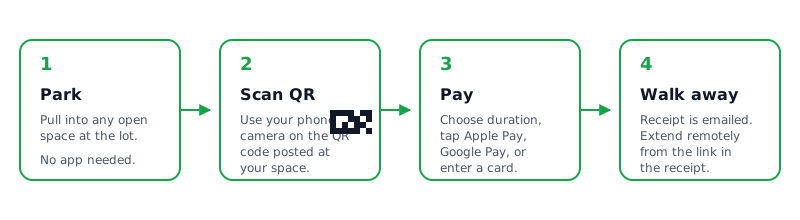
No gate to wire. No meter to bolt down. No technician to schedule. Watch an owner take a lot live in four steps — the last one is a real code, mounted on a real post.
 1
1Enter your lot name, spaces, and rate. Park Graph mints a branded QR code that links straight to your payment page.
 2
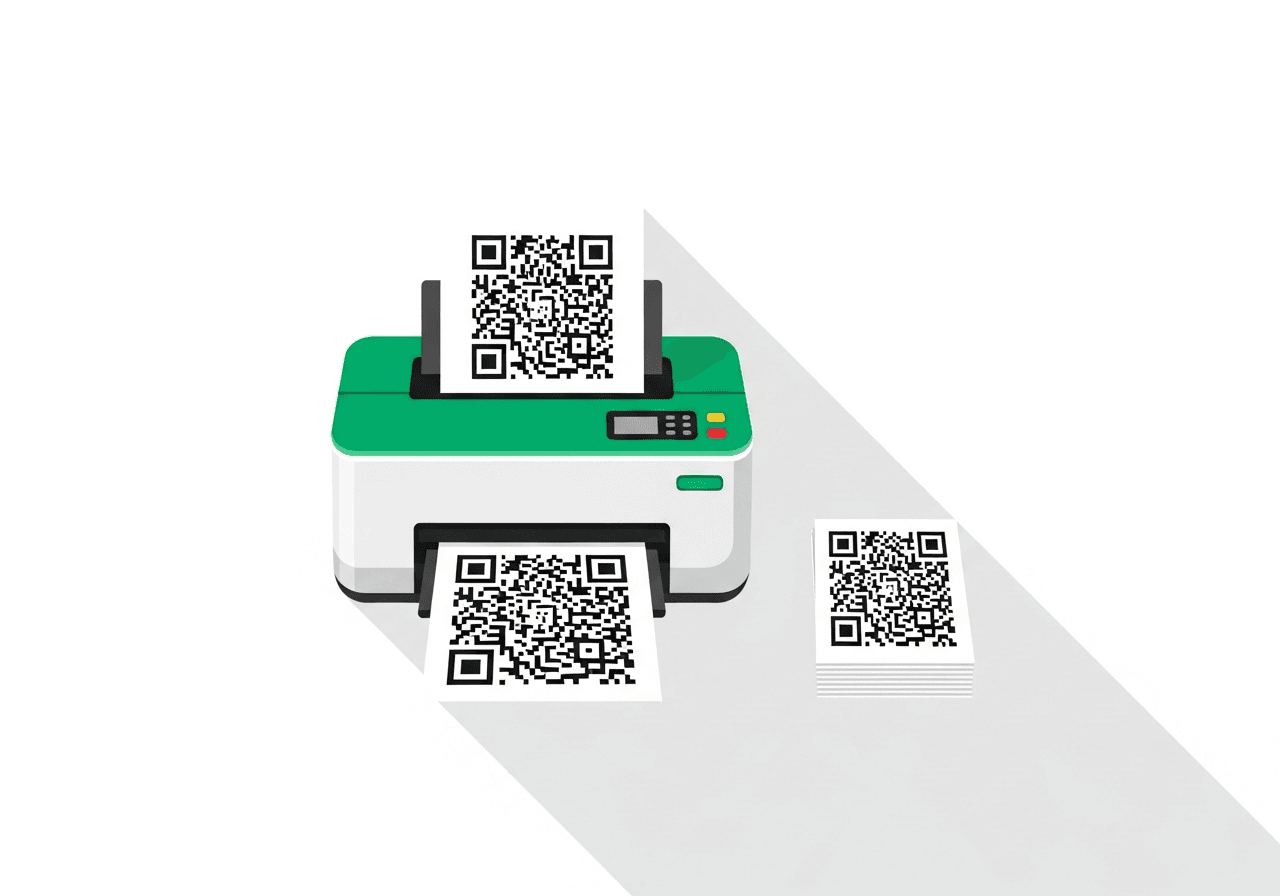
2Send it to any standard printer. Laminate the sheet for weather protection — that is your entire hardware bill.
 3
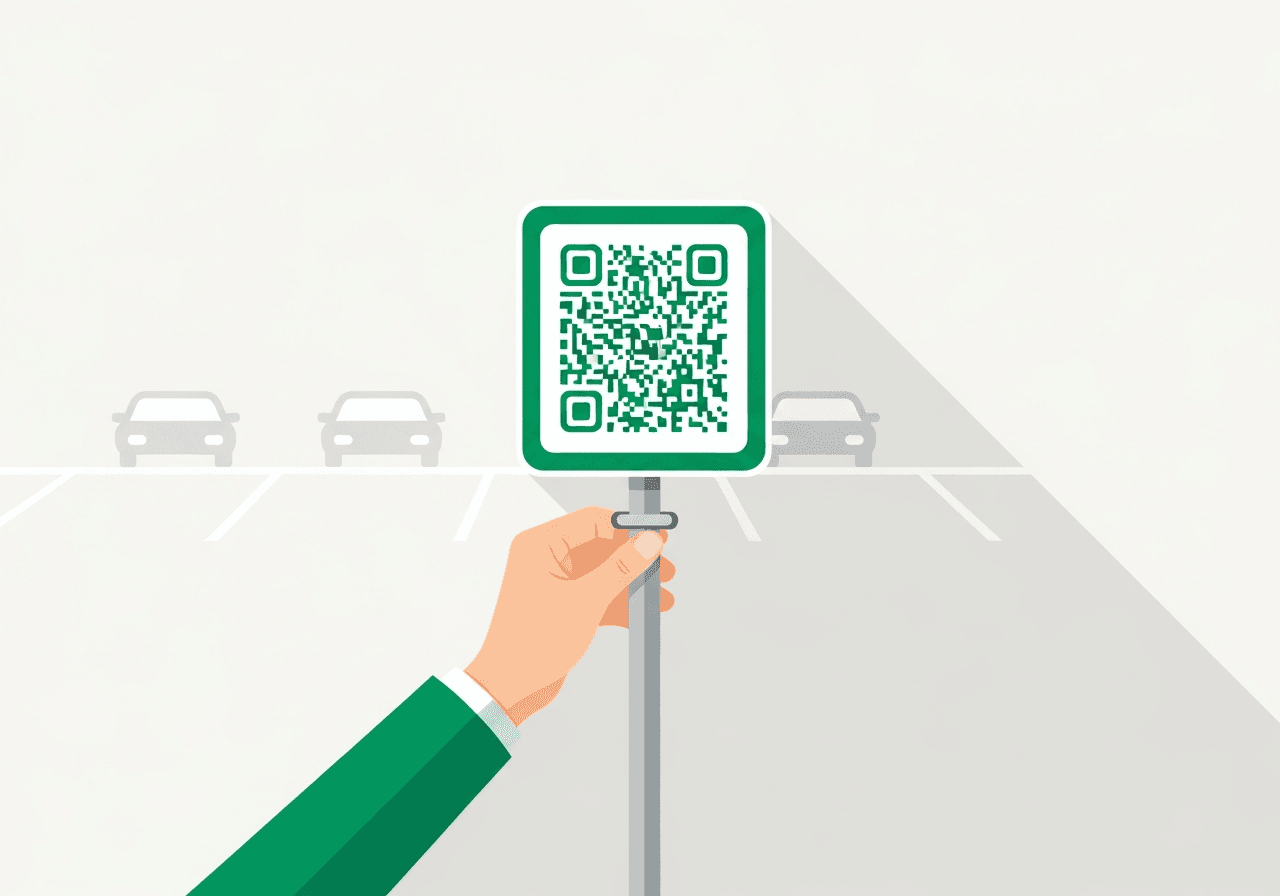
3Mount it on a post at the entrance and any major pedestrian path. No gates, no wiring, no installer visit.
 4
4Your first payout arrives 7–14 days after your first payment. That is Stripe's standard for new accounts. After that, payouts follow your plan's schedule. Verified lots are paid 2 business days after each payment.