Big Ten flagship campus
55,000 students, 120 lots, 8 athletics venues. Park Graph handles permits, transient, athletics surge, and Commencement parking on one platform with SSO via Shibboleth.
SSO integration
Vertical solution
University parking that handles permits, visitors, and game day on one platform. Universities run parking like a small city. There are recurring permits (students, faculty, staff), variable visitors (alumni, prospective students, vendors), event surges (athletics, commencement, conferences), and federal compliance (Clery, ADA, environmental). The five issues that show up in every campus discovery call.
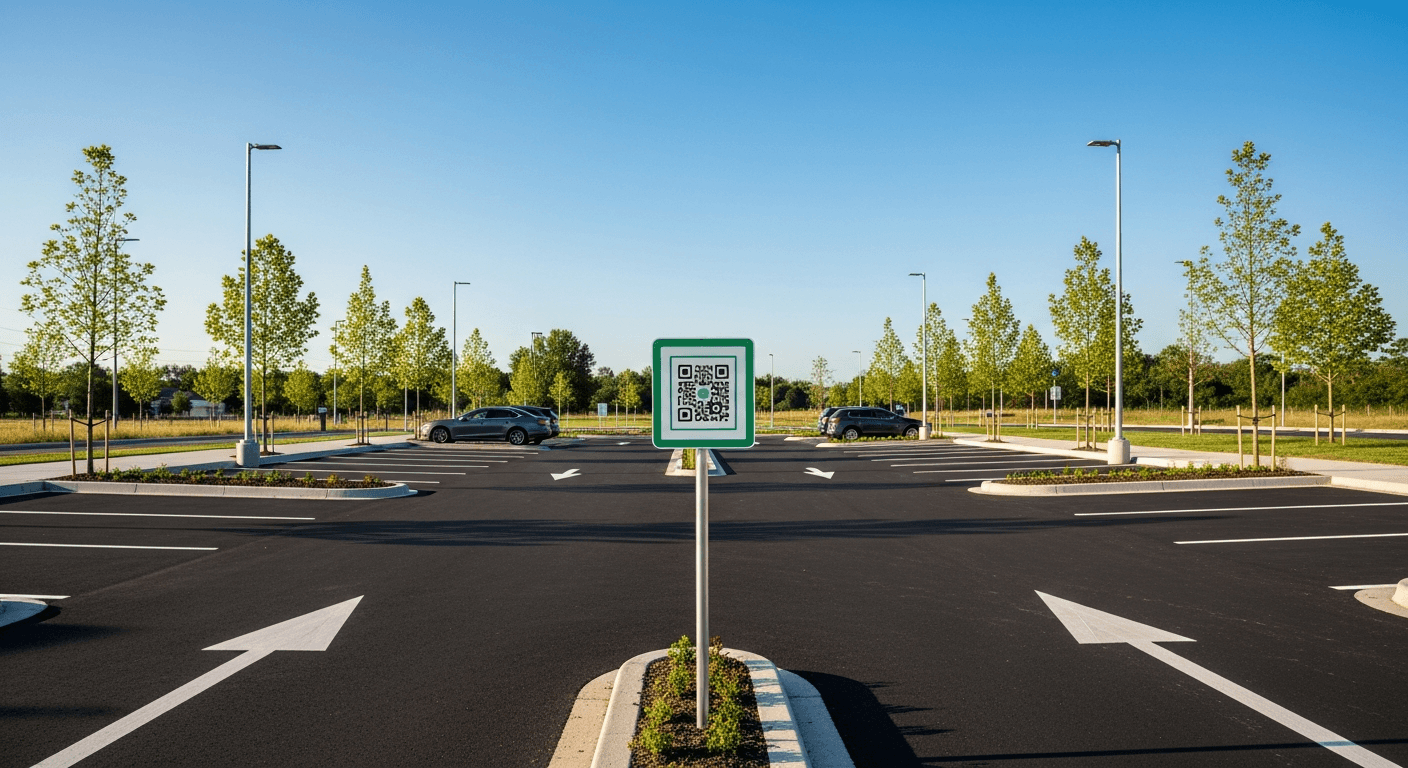
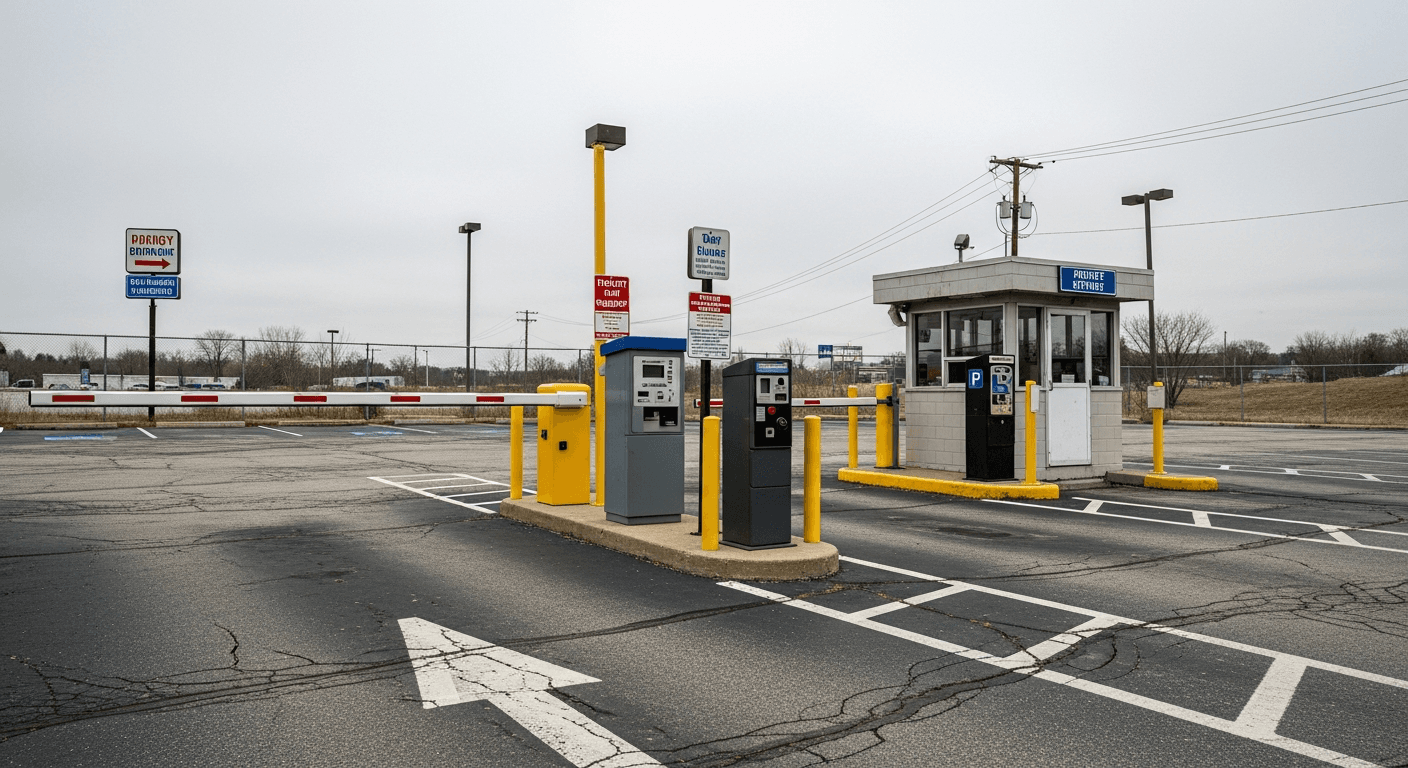
Universities are the closest thing to a city that isn't a city. Multiple stakeholders (academics, athletics, residence life, vendors, alumni), federal compliance (Clery Act, ADA), and a strict procurement process. Park Graph is built to fit that environment: SSO with the campus identity provider, FERPA-aware data handling, procurement-friendly contracts, and FedRAMP-aligned hosting roadmap.
We work with Big Ten flagships, Ivy League residential colleges, urban commuter campuses, liberal-arts colleges, community colleges, and standalone graduate schools. The deployment model fits the academic calendar: pilot in one lot for a semester, scale lot-by-lot over 2-4 semesters.
Athletics deserves its own paragraph. Game-day parking on a 90,000-attendee Saturday is a different operational problem from Tuesday-afternoon residence-hall parking. Park Graph's athletics workflow uses pre-staged surge windows, pre-bookable tailgate inventory, and AI-agent visibility so alumni find the right lot before they get on campus.
| Pain today | What it costs you | How Park Graph fixes it |
|---|---|---|
| Permits issued through one system, transient billing through another | Two ledgers, double accounting, finance friction | One platform handles permits and transient. Single payout, single dashboard. |
| Game-day surge pricing requires a service call to legacy meter vendor | Stuck on weekday rates during a 90,000-attendee game | Athletics surge windows pre-staged in dashboard. Activate at click of a button. |
| Visitor wayfinding to the right lot is a constant complaint | Late appointments, prospective-student tour delays | Park Graph SMS auto-routes visitors based on the building they're visiting. |
| Student permits are sold through a separate vendor portal | Friction at start-of-semester, abandoned permit applications | Permits sold through the same Park Graph platform. SSO with the campus identity provider. |
| Enforcement officers carry a $1,200 vendor-locked terminal | Hardware refresh every 3 years, vendor licence per device | Officers run Park Graph Enforcement on any iPhone or Android. |
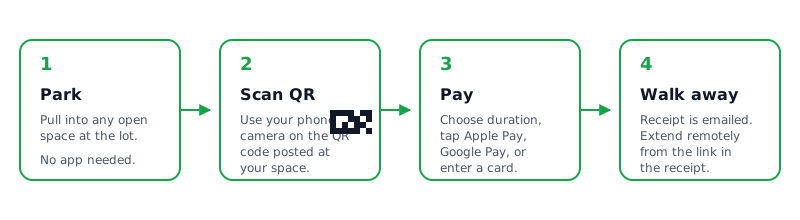
A student logs in at the start of the semester through the campus SSO portal. Park Graph offers them a permit catalogue based on their student type (residential, commuter, graduate, athlete). They pick the right permit, pay through the bursar (or via card if the campus prefers), and the permit links to their licence plate the same day.
Throughout the semester they park in any permitted lot. Enforcement officers walk the lots with Park Graph Enforcement on their issued phones; the app shows whether each plate has an active permit and the right access tier. Citations write to the campus court-clerk system.
On a home football Saturday, the parking director taps Activate Game Day in the dashboard 4 hours before kick-off. Athletics surge rates go live across every QR sign and pre-booking page in seconds. Tailgate inventory opens; alumni who've pre-booked see their reservation; drive-up alumni pay the surge rate.
Shibboleth, Okta, Azure AD, Google Workspace. Permits auto-link to student / faculty / staff status.
Annual student, semester student, faculty / staff, visitor, athletics, commencement. Each gets its own price and eligibility rule.
Pre-stage surge for every home game, concert, and special event on the campus calendar.
Each officer downloads Park Graph Enforcement on their issued phone. Officer ID maps to badge for audit trail.
Run the new flow on one residence-hall lot for a semester before scaling campus-wide.
Phased rollout building-by-building. Most universities phase over 2-4 semesters.
Most university parking deployments are live within a day. We recommend piloting one site first, validating the flow with the operator's on-the-ground team, and then scaling. Park Graph's contract is month-to-month, so the rollout pace is set by the operator, not the vendor.
55,000 students, 120 lots, 8 athletics venues. Park Graph handles permits, transient, athletics surge, and Commencement parking on one platform with SSO via Shibboleth.
SSO integration
Mostly commuter students paying daily rates. Park Graph offers per-day permits validated on the campus IDP; faculty get a discount.
Daily permits
1,800 students, residence-hall parking only. Park Graph manages residence-hall permits with semester-by-semester billing through the bursar.
Bursar integration
University outsources daily parking to a third party but runs athletics through Park Graph. Surge pricing, pre-booking, tailgate inventory in one platform.
Athletics-only
Hospital section runs the hospital-parking workflow (validation, ER waiver) on the same Park Graph operator account as the rest of campus.
Hospital + campus
Conference visitors pay through Park Graph for the duration of their conference. Per-conference reporting tied to the conference registration system.
Conference billing
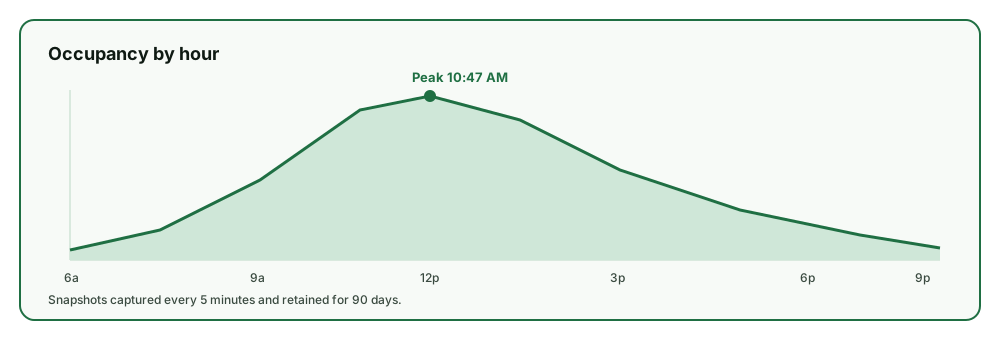
| Capability | Park Graph | Legacy parking platform | DIY / hardware-based |
|---|---|---|---|
| Permits + transient unified | One platform | Two systems | Two systems |
| SSO with campus IDP | Native (Shibboleth, Okta, Azure) | Custom integration | Manual entry |
| Athletics surge pricing | Dashboard, propagates in seconds | Service ticket, 24-72 hours | Re-print signs |
| Enforcement officer device | Officer's phone | $1,200 vendor terminal | Vendor terminal |
| Visitor wayfinding SMS | Native | Not available | Not available |
| Take rate | 3.3-10% (tier-dependent) | 8-15% + monthly + per-lot fee | Card-processor fees only |
| Setup time per lot | <1 day | 4-12 weeks | Months |
| Clery + ADA reporting | Built in | Custom export | Manual |
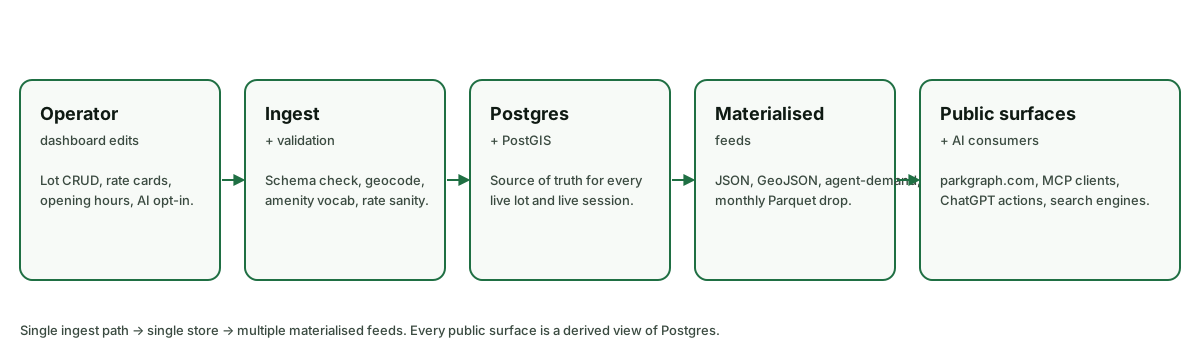
The legacy column generalises the experience of working with a vertical-specific legacy vendor. Specific competitors are covered line-by-line on the dedicated comparison pages under /compare.
The map below shows the metro markets and corridors Park Graph is targeting for university parking growth in 2026 and beyond. Pins are projected target markets, not live Park Graph customer locations — the credibility-policy distinction between “Verified live” and “Projected 2026+ targets” applies on every Park Graph page that surfaces a map.
Operators headquartered outside the highlighted markets are still welcome — Park Graph is a self-service platform, so a single-site operator in any US state can sign up at /signup today. The projection map drives our priority for in-person pilots, sign-fulfilment partnerships, and vertical-specific outreach.
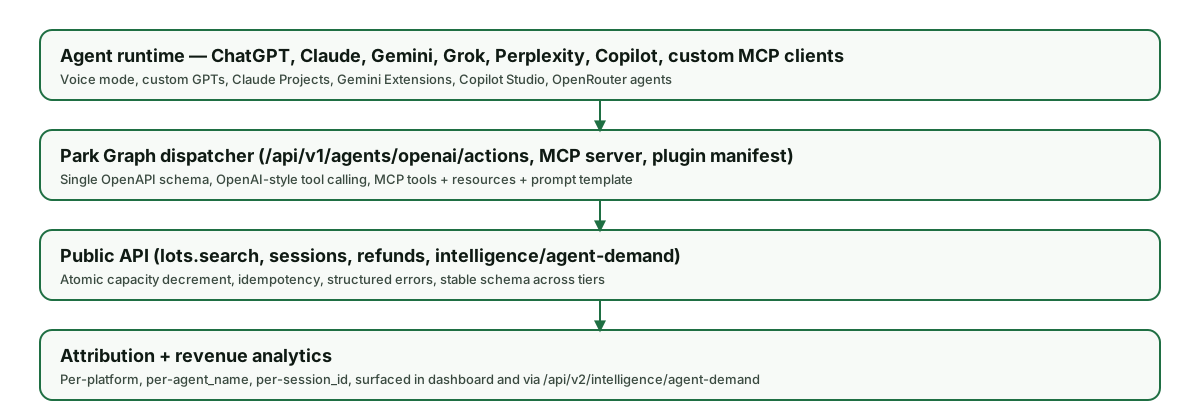
Prospective students touring campus, alumni returning for football, parents at move-in, and vendors at every conference all increasingly start parking research with an AI agent. Park Graph publishes campus parking guidance, lot-by-lot rates, athletics schedules, and visitor wayfinding to ChatGPT, Perplexity, Gemini, Grok, and Microsoft Copilot.
The integration is opt-in per lot or per event. Universities typically opt in for visitor and athletics parking and opt out for student and staff permit information that could become FERPA-relevant.
Parent: 'Where do I park for move-in at the South Quad dorms?'
Park Graph: 'Lot 14 (South Quad). Free for move-in weekend. Reply MAP for directions. Move-in window 9am-3pm.'
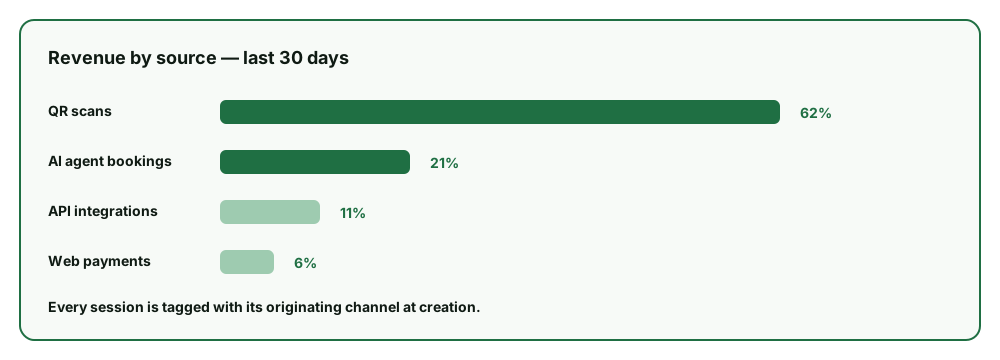
Park Graph's SMS layer handles the routine driver-facing questions that would otherwise generate operator support tickets. The exchange above is a real example from the university parking vertical; AI handles roughly 90% of these conversations end-to-end with no human escalation.
Why university parking operators switch
Permits + transient + athletics in one platform
From dashboard click to on-the-ground rate
Of gross at Enterprise rate
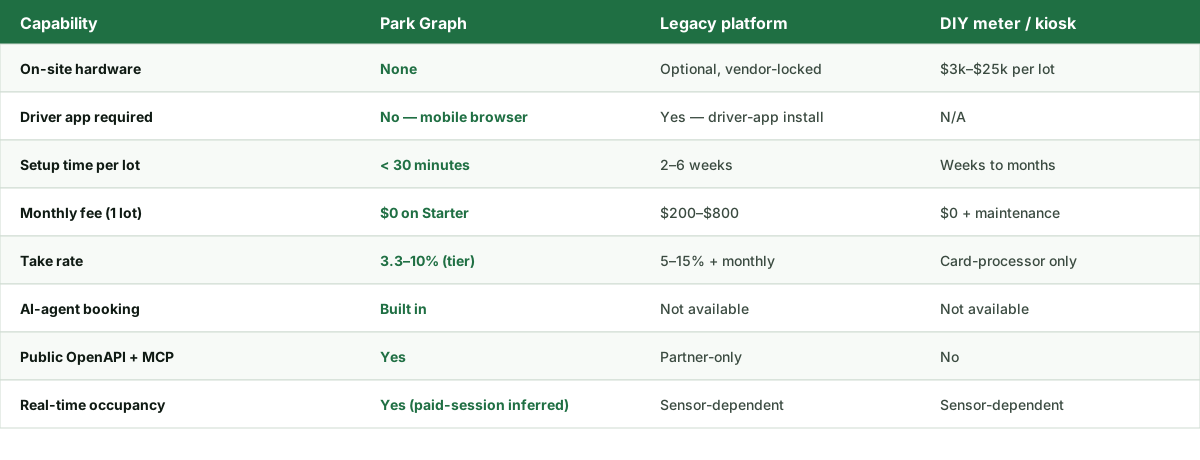
Numbers are typical first-year deltas reported by Park Graph operators in this vertical relative to their previous platform.
The economics behind Park Graph in this vertical are simple to model. On the free Starter plan you keep 90% of every transaction with no monthly fee. On Pro at $499/month you keep 95% of every transaction. On Enterprise you keep 96.7%. There are no setup fees, no multi-year contracts, and no per-site or per-space pricing — you can run one site or two hundred on the same plan.
The calculator below estimates monthly take-home revenue across Starter, Pro, and Enterprise plans for any site size, hourly rate, occupancy, and operating-hour configuration you choose. Numbers update live as you adjust the inputs.
0%
Take-home rate (Enterprise)
0 day
Typical site setup
$0
Hardware required
0
AI agent platforms supported
Projected targets reflect 2026+ planning and internal pilot modeling — not live customer outcomes.
See how much you could earn with Park Graph.
Projected monthly revenue
$86,400
Starter
Platform cost
$8,640/mo
Your net revenue
$77,760/mo
Pro
Best valuePlatform cost
$4,819/mo
Your net revenue
$81,581/mo
Enterprise
Platform cost
$5,350/mo
Your net revenue
$81,050/mo
PCI DSS Level 1
Card data tokenized by Stripe; Park Graph never sees raw card numbers.
Aligned with SOC 2 controls
Audit window opens Q3 2026. Annual reports available under NDA on request.
Encrypted at rest + in transit
AES-256 at rest, TLS 1.3 in transit, KMS-managed keys.
Vertical-specific data handling
Park Graph's SSO integration with campus identity providers (Shibboleth, Okta, Azure AD, Google Workspace) is FERPA-aware. Permit data tied to student status is treated as directory information by default and never combined with academic records. Procurement docs (HECVAT, sample MSA, sample BAA) available on request.
Free forever on Starter. No credit card to begin. Cancel any time.
Pricing, event surge curves, and on-site context for university parking vary by metro. The pages below are the city-specific playbooks — same Park Graph platform, tuned to the local rate baseline and demand calendar.
The installation
No gate to wire. No meter to bolt down. No technician to schedule. Watch an owner take a lot live in four steps — the last one is a real code, mounted on a real post.
 1
1Enter your lot name, spaces, and rate. Park Graph mints a branded QR code that links straight to your payment page.
 2
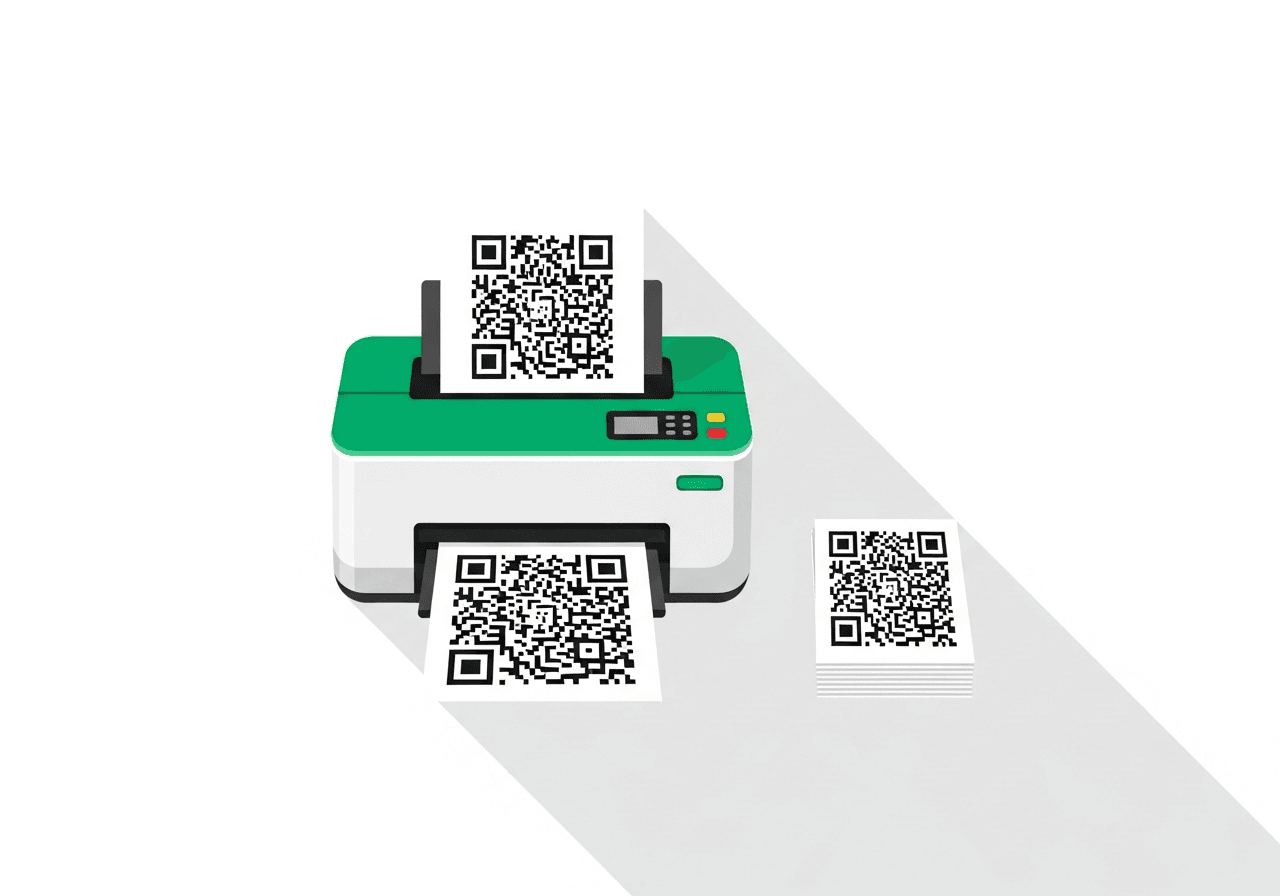
2Send it to any standard printer. Laminate the sheet for weather protection — that is your entire hardware bill.
 3
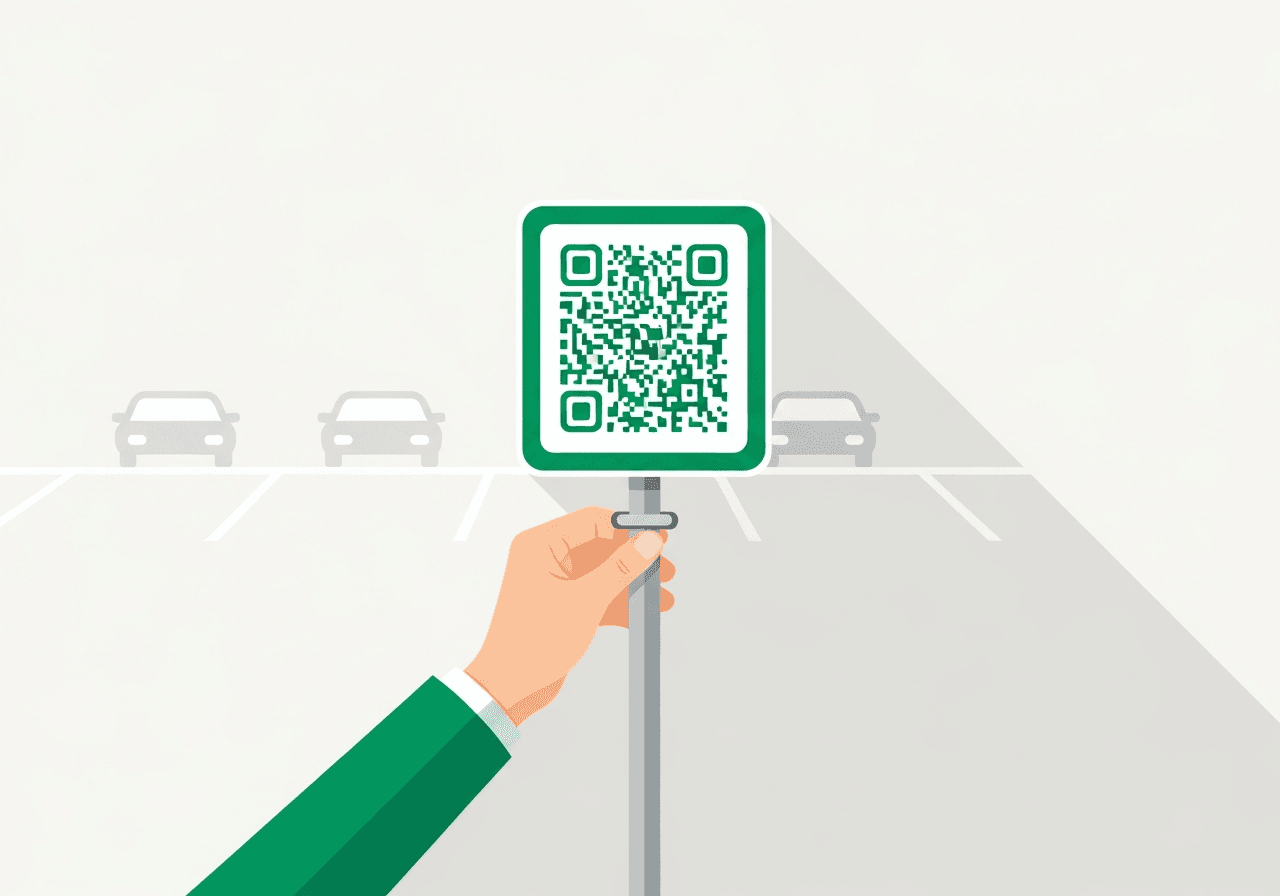
3Mount it on a post at the entrance and any major pedestrian path. No gates, no wiring, no installer visit.
 4
4Drivers scan and pay; revenue lands in your dashboard in real time and in your bank within two business days.