Overflow lot near a venue
A lot within walking distance of a stadium, arena, or nightlife district earns on event nights. Raise the rate from your dashboard before a big game and lower it again the next morning.
Event nights
For parking lot owners
Your lot. Your prices. Your revenue. Churches, restaurants, offices, retailers, and landowners use Park Graph to earn from spaces that sit empty for most of the week — without a management contract, a revenue share, or a single piece of hardware.
Watch · 0:47
To stop people parking in your lot, make them pay and make it easy to check: post clear signs, add a Park Graph QR sign, and use plate lookup.
Your customers can't find a space. None of these cars are theirs.
How do you stop people from parking in your lot? Make them pay, and make it easy to check.
Every stranger in your lot is a customer who drove past.
Step one: post clear signs. Who parks, when, and the rate. Towing rules vary by state, so check yours.
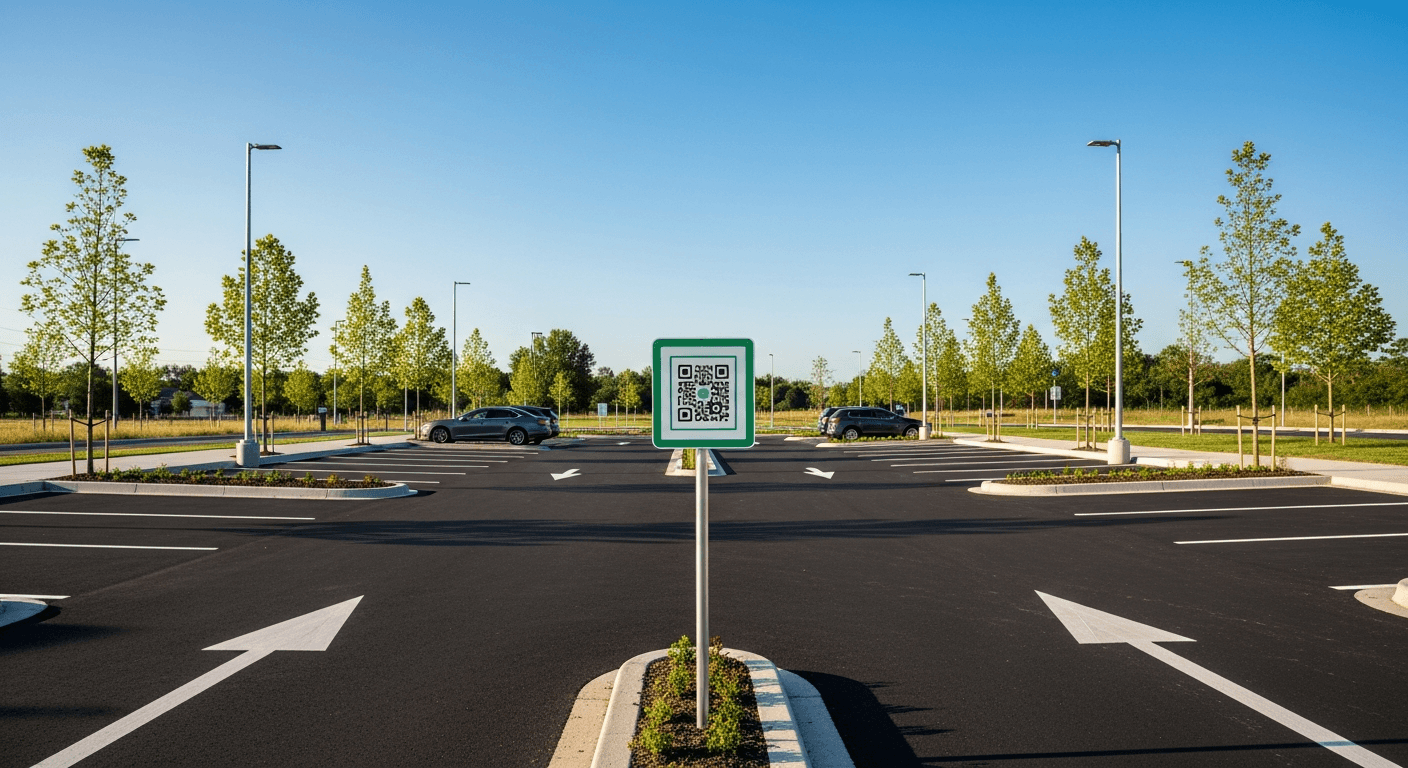
Step two: make paying easy. A Park Graph QR sign turns trespassers into customers. Scan, enter a plate, pay.
Step three: check plates, not windshields. A plate lookup tells you in seconds if a car paid.
You stay in charge. Your staff or a local tow partner acts on facts, not guesses.
A free-for-all lot gets abused. A paid lot gets respected.
Take back your lot. parkgraph.com.
Most parking in America belongs to someone who is not in the parking business. A church with more lot than its congregation needs. A restaurant beside a street that fills up on weekend nights. An office park with more spaces than tenants. A retailer with more spaces than shoppers. An investor holding a parcel that is waiting on permits. Every one of those lots could earn money, and until now the main way to do it was to hand the lot to a large parking operator.
Park Graph is for the owner who would rather keep it. You stay the operator: you decide what parking costs and how the lot is enforced. Park Graph supplies the software — the QR payment page, the dashboard, the plate lookup, the payouts — and charges a published software fee for it, not a cut of everything the lot will ever earn.
It works for one lot or many. A small business with twelve spaces behind the building uses the same software as a landowner running five lots across town, and each lot keeps its own rates and payout reporting.
Run a church lot? See church parking lot rental: earn on weekdays, keep Sunday free.
| Pain today | What it costs you | How Park Graph fixes it |
|---|---|---|
| Handing the lot to a management company means handing over control | The operator runs the lot and usually sets the rates for the length of the agreement | Run the lot yourself from a phone. You set the rates and decide how the lot is enforced. |
| A revenue share grows every time your lot earns more | Every 10 points of share on a $10,000-a-month lot is $12,000 a year | A published software fee that steps down from 10% to 3.3% as you grow. |
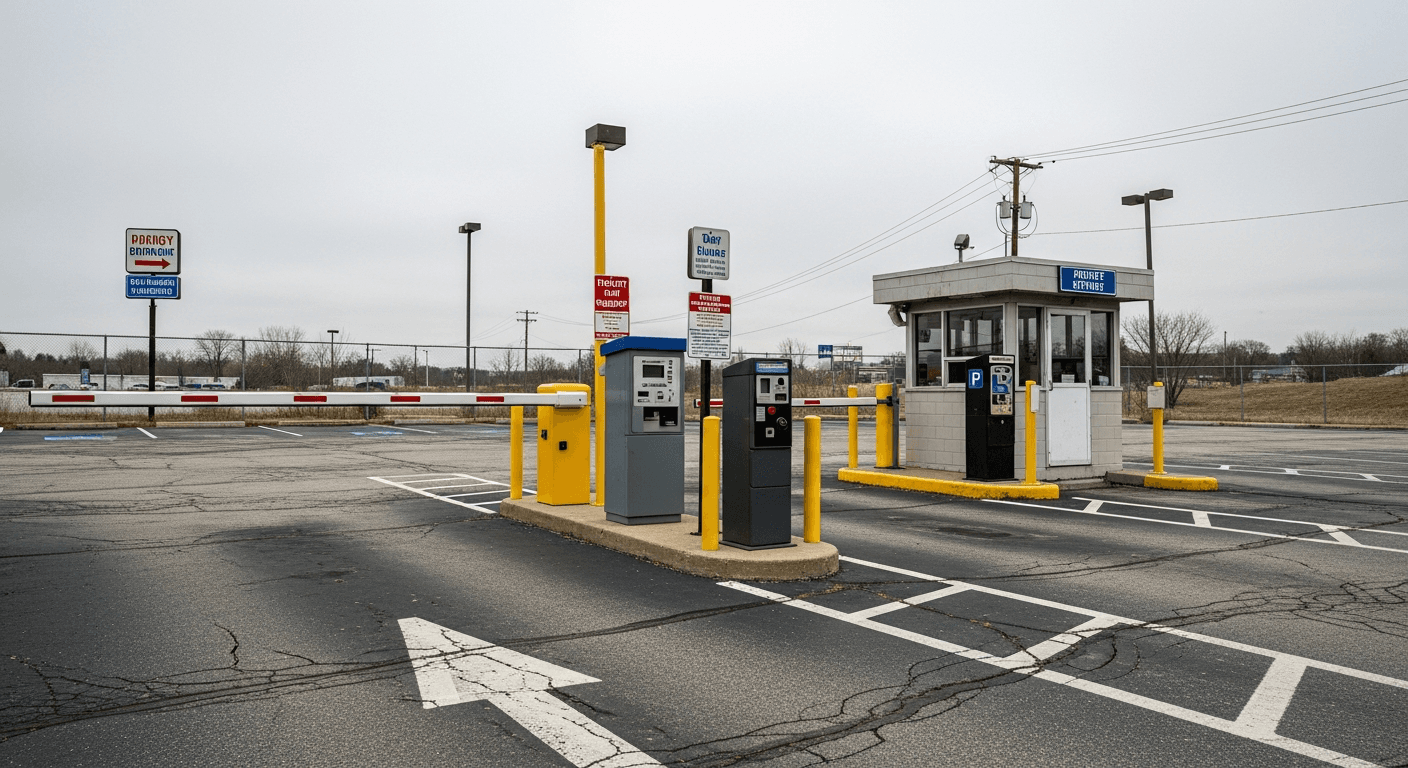
| Gates, pay stations, and booths cost money before the lot earns a dollar | Equipment, installation, and maintenance contracts | A printed QR sign. Drivers pay on their own phones. |
| An underused lot earns nothing | Spaces you already own sit empty for most of the week | Post a QR sign and every car that parks pays the rate you set. |
| Cash boxes and honour envelopes leak | Uncollected fees and no record of who parked | Every session is paid by card or wallet and logged with the plate and time. |
Hand it to a management company. Large operators such as LAZ Parking and Metropolis typically run a lot under a management agreement or a lease. They staff it, often install gates, pay stations, or entry cameras, and are paid a management fee or keep the revenue above a fixed rent. It is the most hands-off option, and the owner gives up the most control.
Hand it to a revenue-share operator. AirGarage takes over a lot's payments, signage, pricing, and enforcement coordination and keeps a share of the revenue. There is no hardware bill, but the share grows every time the lot earns more, and AirGarage does not publish what the share is.
Run it yourself on Park Graph. You keep the lot and the decisions. Park Graph charges a published per-transaction fee that steps down as you grow, and there is no contract on Starter. The trade is that you, not an operator, decide how to handle cars that don't pay — with plate lookup built in to make that quick.
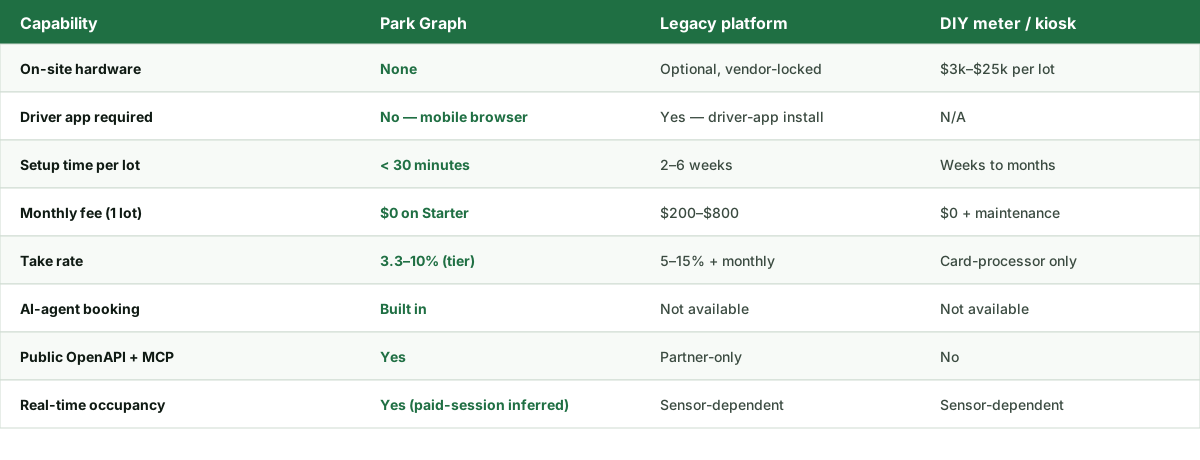
| Capability | Park Graph | Management company (LAZ, Metropolis) | Revenue-share operator (AirGarage) |
|---|---|---|---|
| Who runs the lot | You do, from your phone — Park Graph is the software | The management company, under a management agreement or lease | AirGarage runs it end to end on your behalf |
| Who sets the rates | You — an hourly or daily rate with an optional daily cap, changed any time from your dashboard | Typically the operator, within the contract terms | AirGarage manages pricing for you |
| How they get paid | A published per-transaction fee: 10% on the free Starter plan, down to 3.3% | A management fee, or the revenue above a fixed lease payment | A share of your lot's revenue (rate not published) |
| Contract | None on Starter; Pro and Enterprise bill monthly or annually | Multi-year agreements are common | Per the AirGarage operator agreement |
| Hardware | A printed QR sign | Often gates, pay stations, staff, or entry cameras | None — AirGarage installs its own signage |
| Where the money goes | Paid out to your bank through Stripe Connect — first payout 7–14 days after your first payment, then on your plan's schedule | Collected by the operator, remitted on its reporting schedule | Collected by AirGarage, your share paid out to you |
| Enforcement | Your call — your staff or a local tow partner, with plate lookup built in | Usually staffed by the operator | AirGarage coordinates enforcement |
| AI assistants + public API | Listed lots are findable through the public REST API and MCP server on every plan; bookings through an assistant on Pro and Enterprise | Varies by operator | No public API or MCP server published as of May 2026 |
Running the lot yourself does not mean running it alone. Park Graph handles the parts an operator used to justify a cut for — the payment page, receipts, rate changes, payouts, reporting, and discovery by AI assistants — while every decision stays with you.
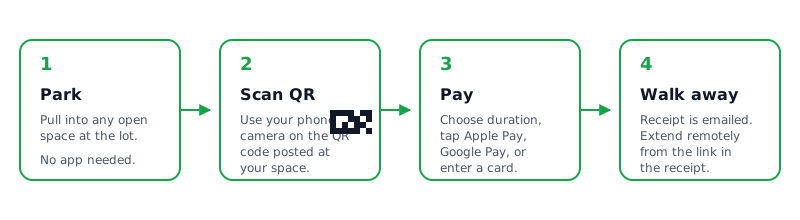
A driver pulls into your lot and sees the Park Graph sign at the entrance. They scan it with their phone camera, enter their plate, choose how long they are staying, and pay with Apple Pay, Google Pay, or a card — no app download and no account. The session appears on your dashboard in real time with the plate, the time remaining, and the amount paid, and the driver can extend from the same page before time runs out. When a car looks out of place, a plate lookup tells you in seconds whether it paid, so you or your tow partner act on facts instead of guesses.
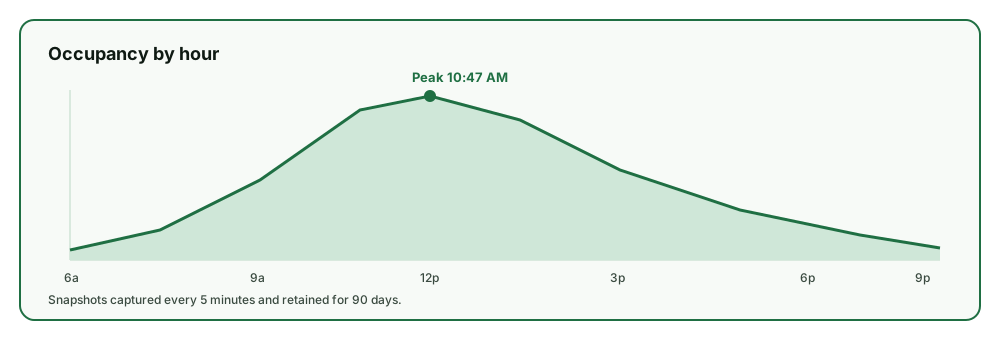
At the end of the day you see exactly what the lot earned, hour by hour, without counting a cash box or waiting for an operator's monthly statement. If a weekend event next door fills the street, you can raise the rate from your phone for that evening and put it back the next morning.
Sign up free with your email. No credit card and no sales call.
Enter the address and number of spaces. Park Graph places the lot on the map and checks it against existing listings.
An hourly or daily rate, with an optional daily cap. Change it any time from your dashboard.
Link a bank account through Stripe Connect so payouts land with you, not an operator.
Download your QR sign as a PDF, print it, and post it at the entrance. That is the whole installation.
That is the whole rollout. There is no site survey, no installer, and no operator agreement to negotiate. Start with one lot, see what it earns for a month, and add more when you are ready.
A lot within walking distance of a stadium, arena, or nightlife district earns on event nights. Raise the rate from your dashboard before a big game and lower it again the next morning.
Event nights
Commuters who park all day pay a daily rate from their phone, and an optional daily cap keeps the price predictable for regulars.
All-day parking
Turn a parcel that is waiting on permits into paid parking with a sign on a stake. No paving contract, gate, or kiosk required to start.
Land banking
Instead of signing another multi-year agreement, run the lot yourself: post the sign, set the rates, and keep the revenue an operator used to collect.
Self-run
Drivers scan, enter their plate, and pay on their own phone. A plate lookup shows in seconds whether a car has paid, so there is nothing to staff.
No hardware
Run several lots across town from one dashboard, each with its own rates and payout reporting — and no operator taking a cut of any of them.
Multi-lot
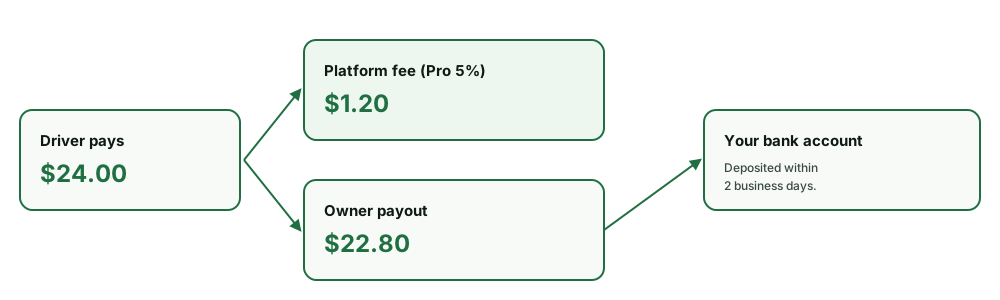
On Starter you keep 90% of every transaction with no monthly fee. On Pro at $499/month you keep 95%, and on Enterprise you keep 96.7%. Standard Stripe card processing applies on top. There are no setup fees, no per-space fees, and no hardware to buy.
Compare that with any revenue share you are quoted: every 10 points of share on a lot that grosses $10,000 a month is $12,000 a year that stays with the operator. Enter your own lot below to see your numbers.
See how much you could earn with Park Graph.
Projected monthly revenue
$86,400
Starter
Platform cost
$8,640/mo
Your net revenue
$77,760/mo
Pro
Best valuePlatform cost
$4,819/mo
Your net revenue
$81,581/mo
Enterprise
Platform cost
$5,350/mo
Your net revenue
$81,050/mo
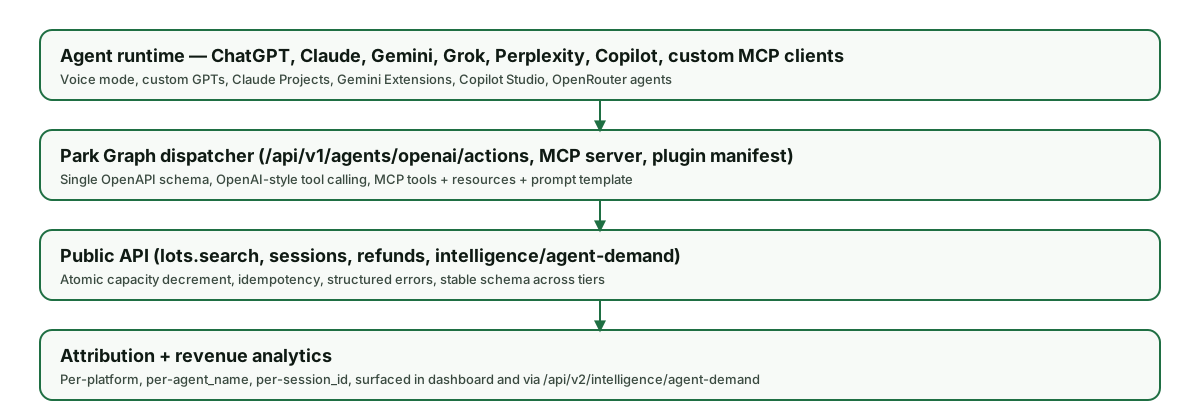
A small lot behind a building has always had a discovery problem: drivers who are not already standing in it never knew it existed. Park Graph publishes listed lots through a public REST API and an MCP server, the interfaces AI assistants such as ChatGPT, Claude, Gemini, and Perplexity use to find and quote parking. When someone asks for parking near your block, your lot can be part of the answer. Booking through the assistant is included on Pro and Enterprise; on Starter, the assistant sends the driver to your lot's payment page.
Large operators sell discovery as part of their package. With Park Graph it comes with the software.
PCI DSS Level 1
Card data tokenized by Stripe; Park Graph never sees raw card numbers.
Aligned with SOC 2 controls
Audit window opens Q3 2026. Annual reports available under NDA on request.
Encrypted at rest + in transit
AES-256 at rest, TLS 1.3 in transit, KMS-managed keys.
Payouts you can trace
Payouts go to the bank account on your Stripe Connect account, and every payout is itemised against the sessions that produced it in your dashboard.
Free on Starter. No credit card, no contract, no management company.
Pricing, event surge curves, and on-site context for parking lot monetization vary by metro. The pages below are the city-specific playbooks — same Park Graph platform, tuned to the local rate baseline and demand calendar.
The installation
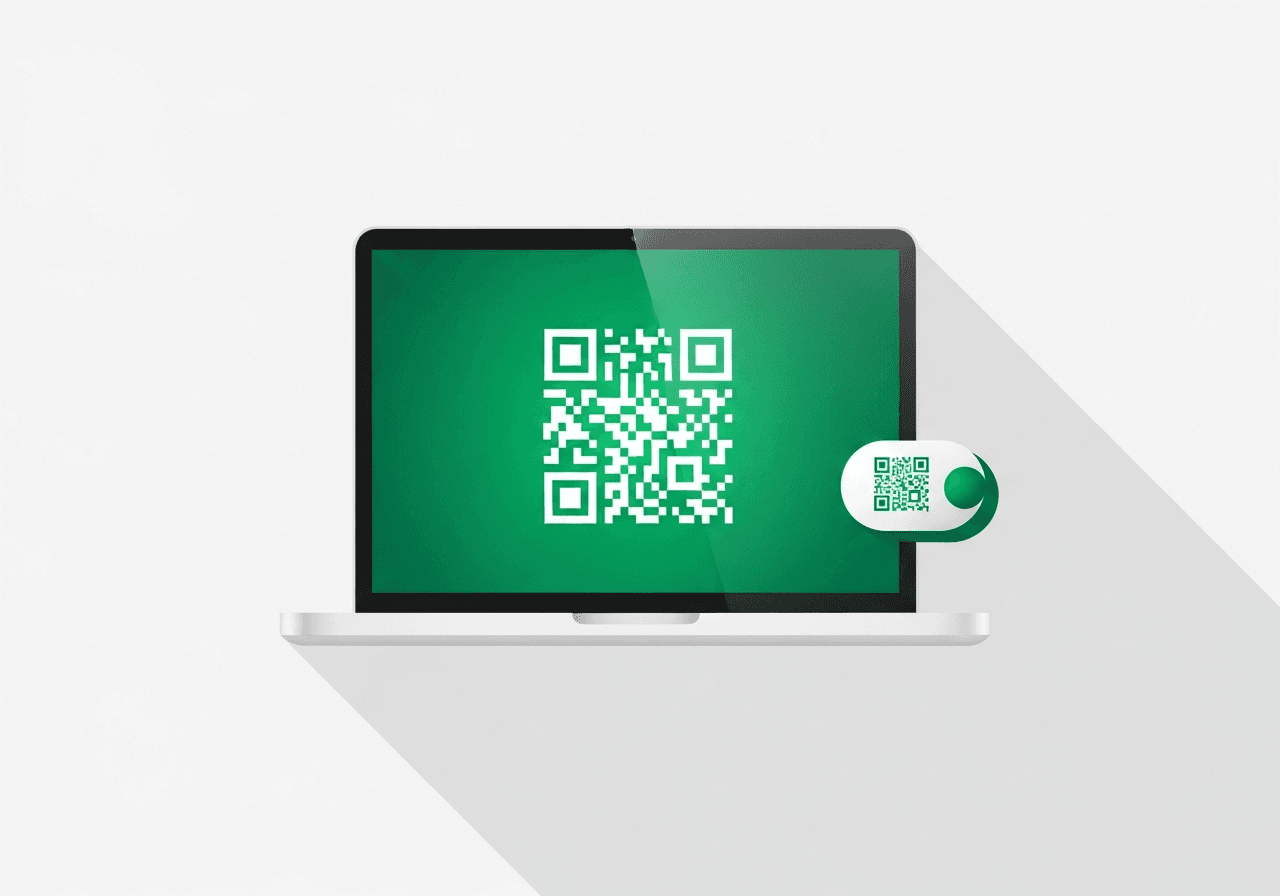
No gate to wire. No meter to bolt down. No technician to schedule. Watch an owner take a lot live in four steps — the last one is a real code, mounted on a real post.
 1
1Enter your lot name, spaces, and rate. Park Graph mints a branded QR code that links straight to your payment page.
 2
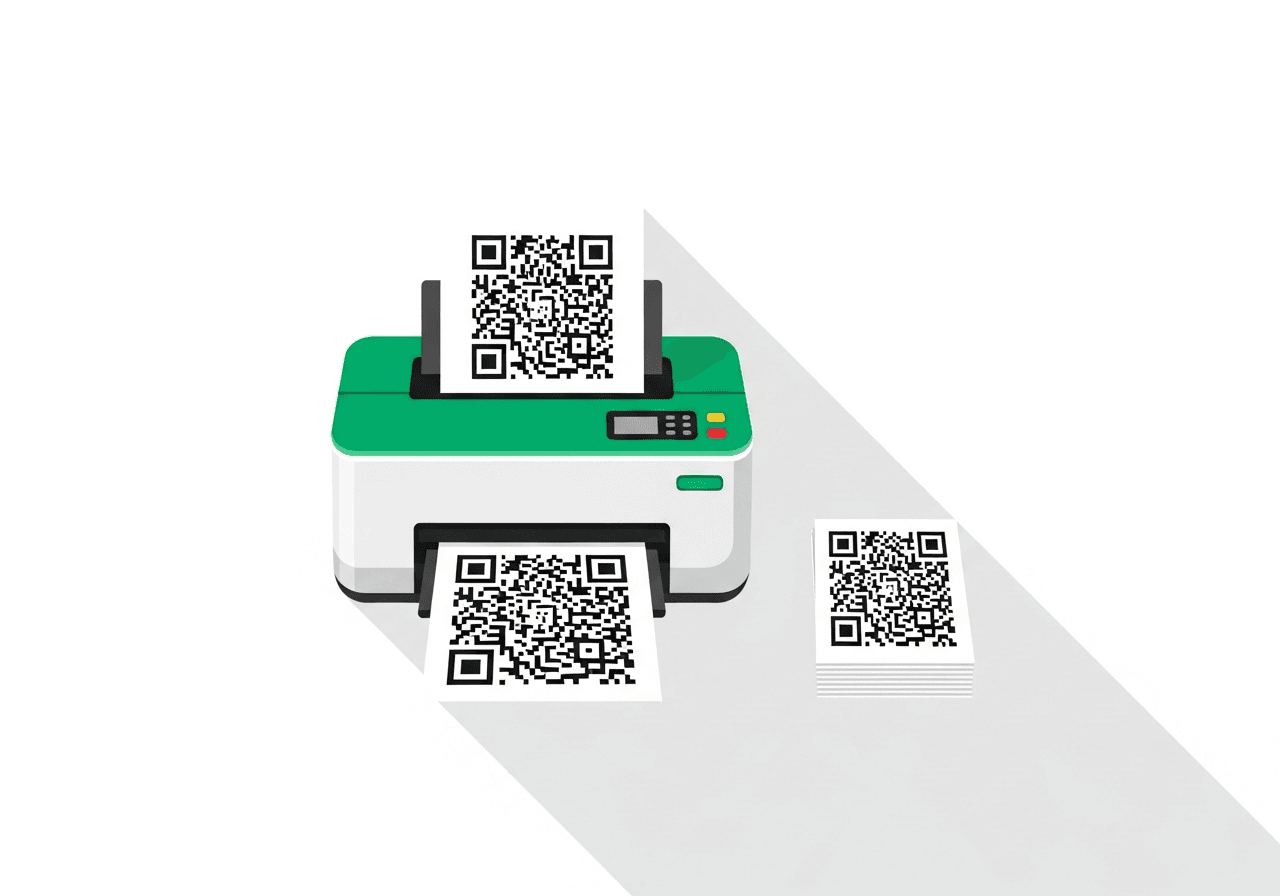
2Send it to any standard printer. Laminate the sheet for weather protection — that is your entire hardware bill.
 3
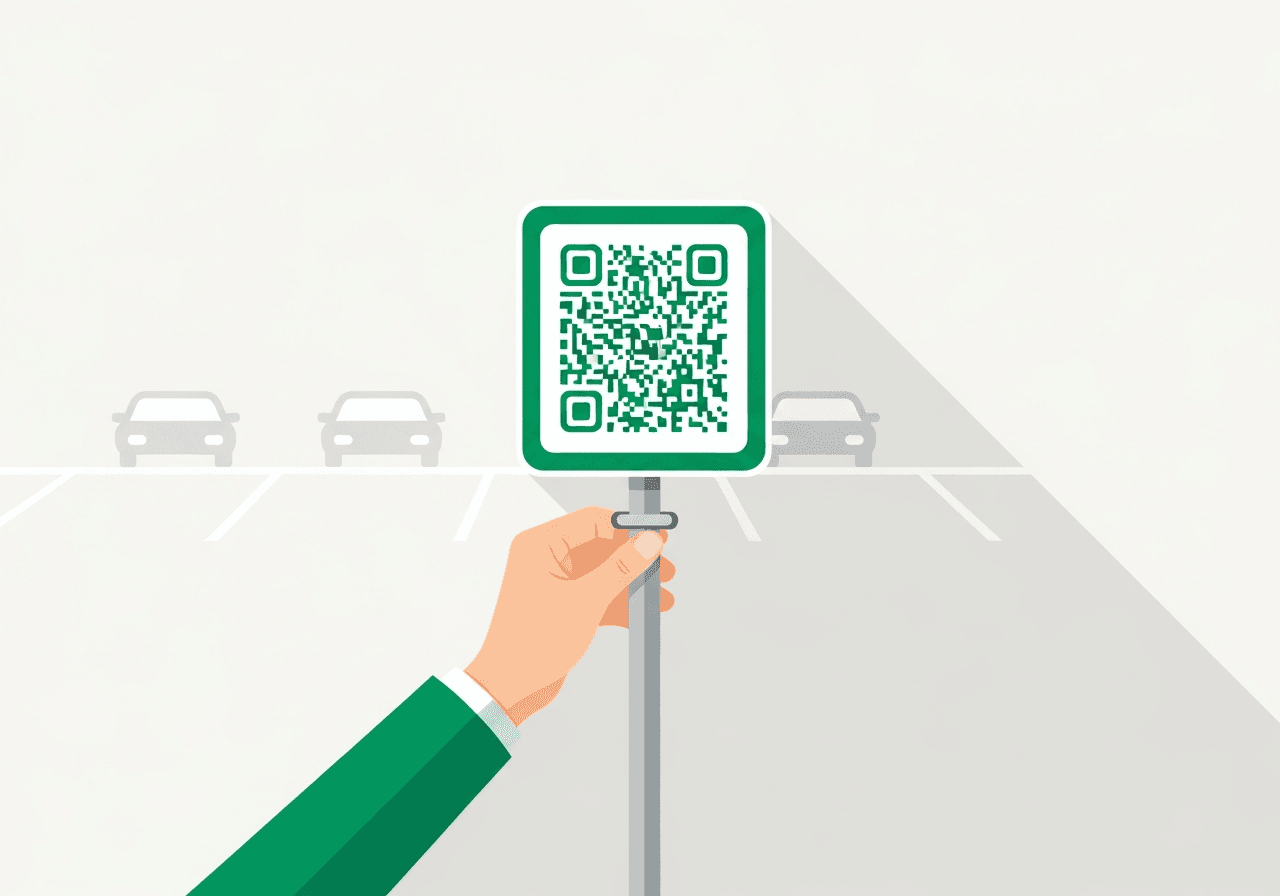
3Mount it on a post at the entrance and any major pedestrian path. No gates, no wiring, no installer visit.
 4
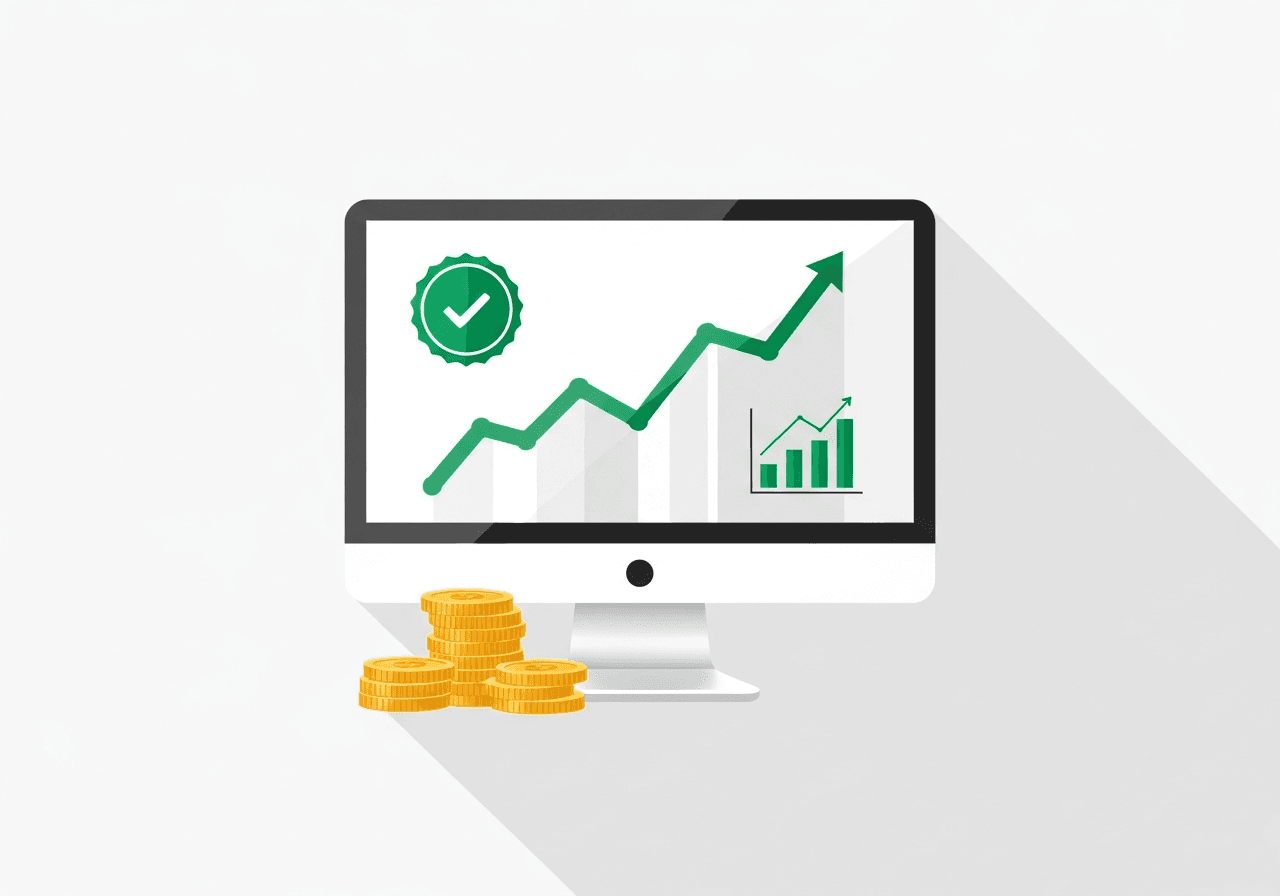
4Your first payout arrives 7–14 days after your first payment. That is Stripe's standard for new accounts. After that, payouts follow your plan's schedule. Verified lots are paid 2 business days after each payment.